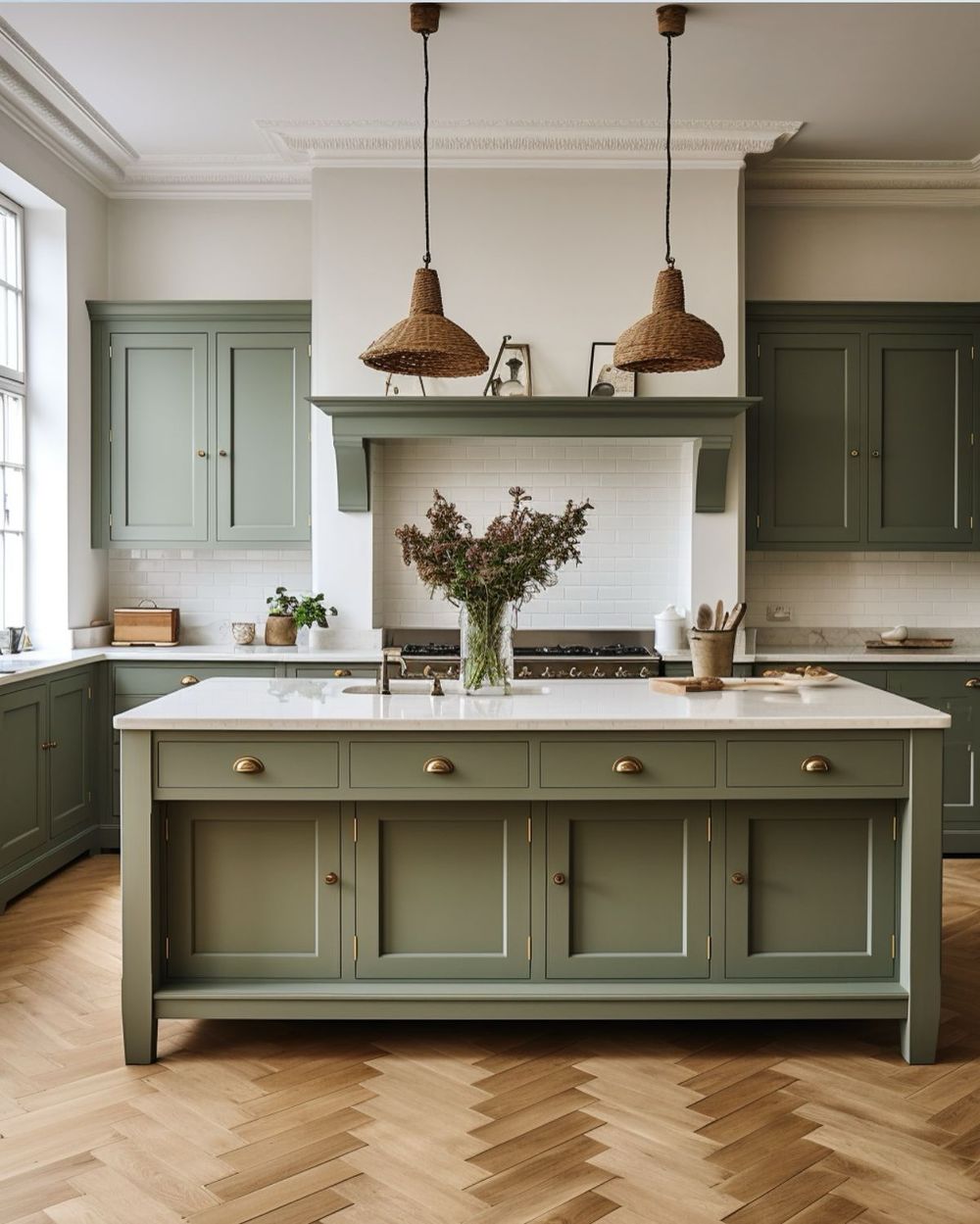
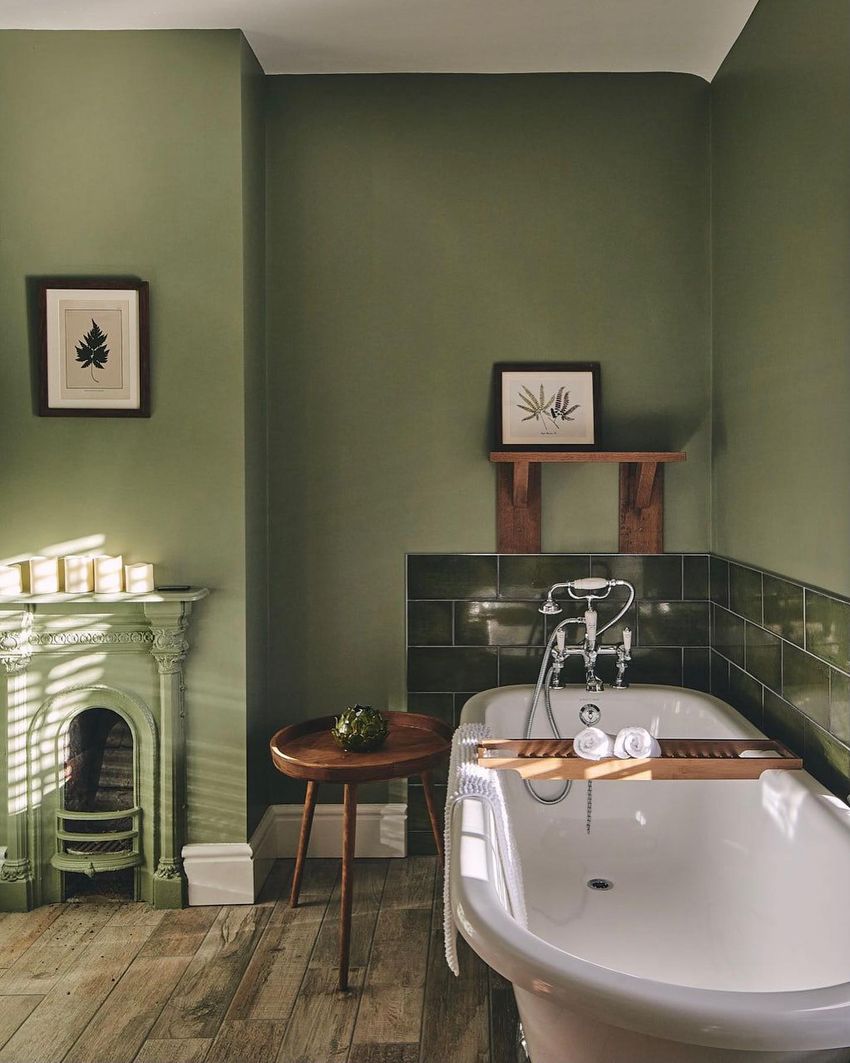
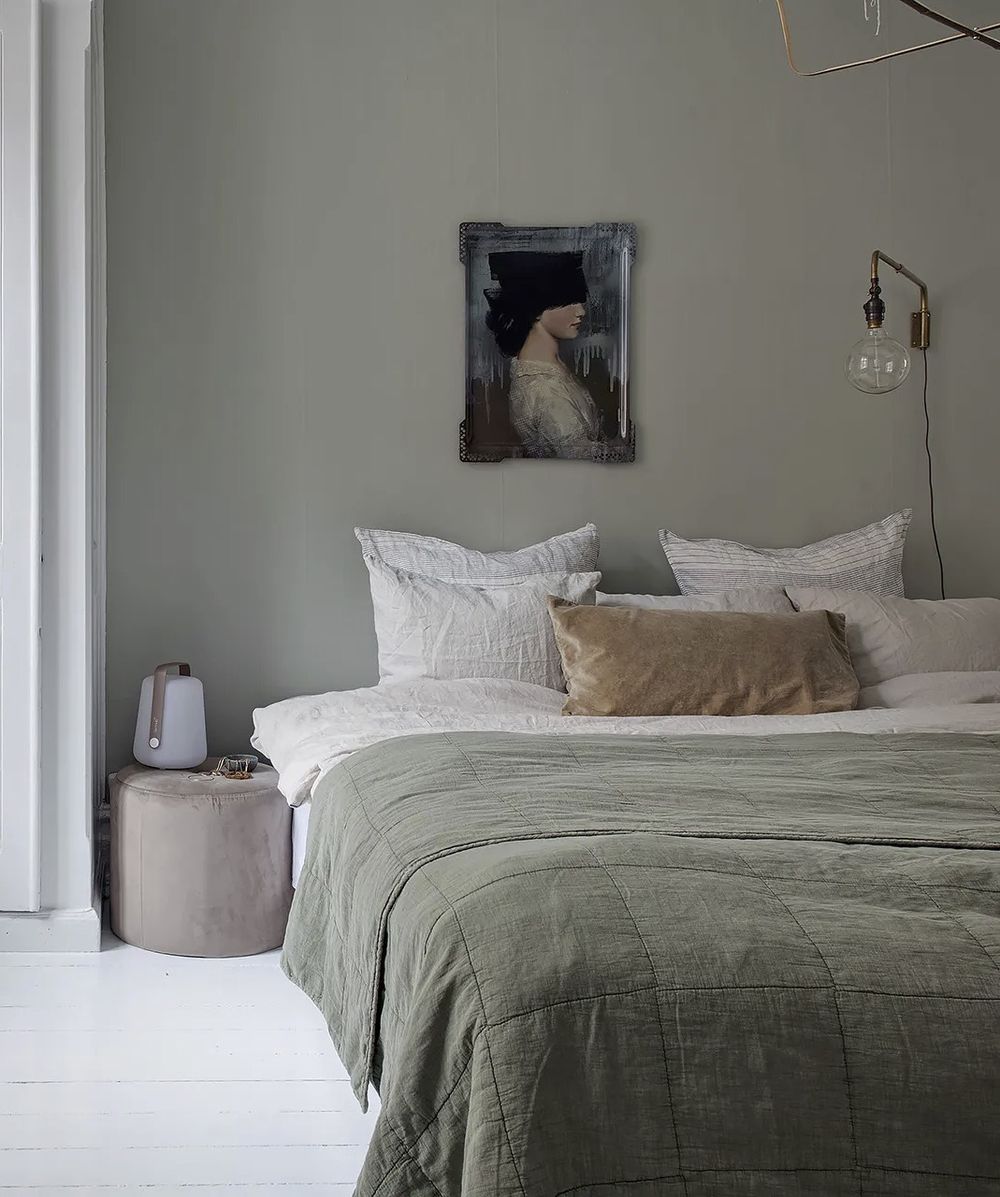
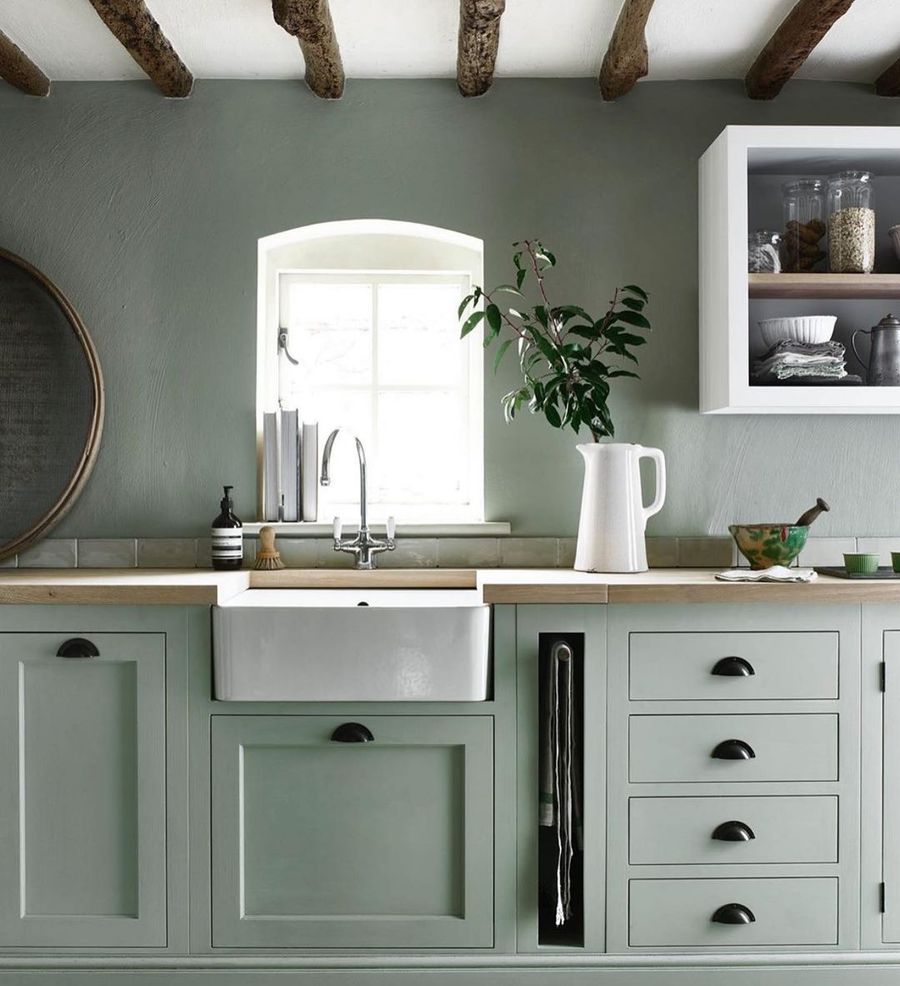
As we continue to strive for a more sustainable and environmentally conscious lifestyle, one of the most effective ways to make a positive impact is through the design of our living spaces. A green living room is more than just a room for relaxing and entertaining guests, it’s a haven for wellness, creativity, and connection.
A well-designed green room can be a sanctuary for the mind, body, and soul, and can even help to reduce stress and anxiety. With the rise of eco-friendly furniture and decor options, it’s easier than ever to create a space that not only looks great but also promotes a healthy and harmonious living environment.

Living Green, One Room at a Time: Thoughtful Ways to Style Your Home and Balcony with Indoor Plants for Everyday Comfort
Check Price on Amazon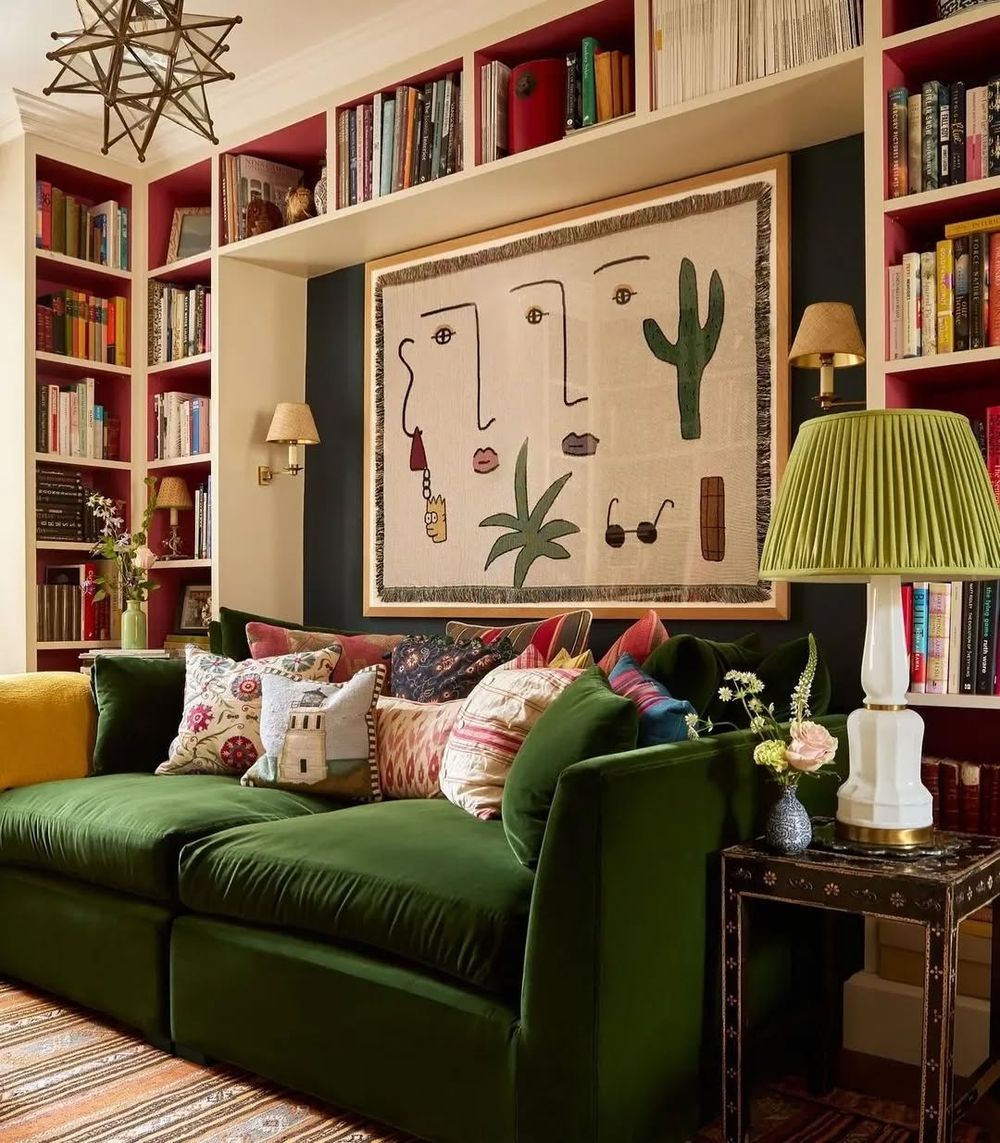
Embracing Sustainable Materials in Living Room Design
Embracing sustainable materials in living room design is a pivotal aspect of creating environmentally friendly spaces that promote both comfort and eco-consciousness. By selecting furnishings and finishes made from renewable, recycled, or responsibly sourced materials, homeowners can significantly reduce their carbon footprint while enhancing the aesthetic appeal of their living environment. For instance, opting for furniture crafted from reclaimed wood not only adds character and uniqueness to the space but also prevents deforestation and minimizes waste. Additionally, textiles made from organic cotton, hemp, or recycled fibers contribute to sustainability while providing a soft and inviting touch.
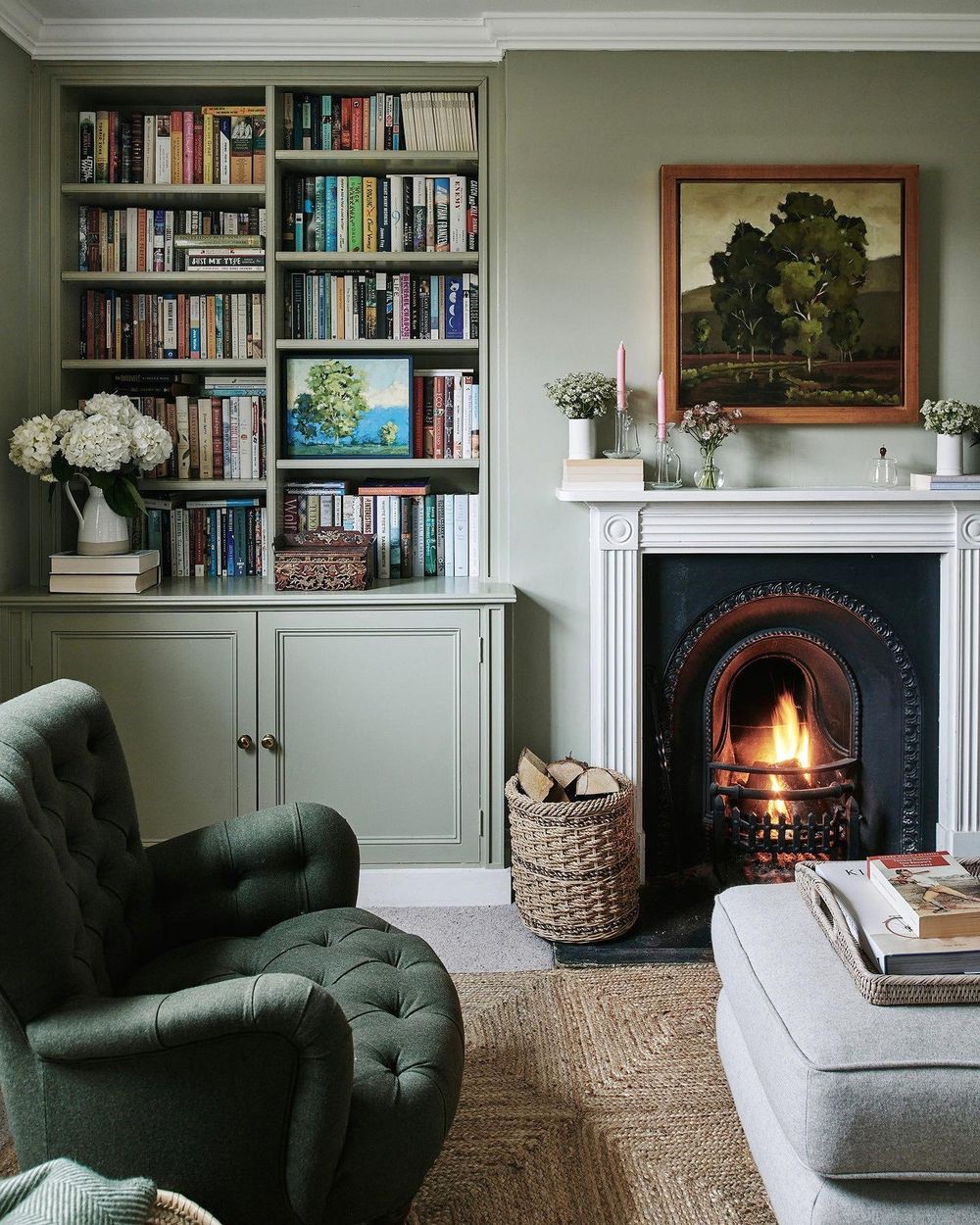
The use of low-VOC (volatile organic compounds) paints and finishes further ensures that the indoor air quality remains healthy, reducing the risk of harmful emissions from conventional materials. By integrating these sustainable options, designers can create a living room that reflects a commitment to environmental stewardship, all while ensuring a stylish, functional, and serene atmosphere for relaxation and connection. Ultimately, the thoughtful selection of materials in living room design not only supports eco-friendly practices but also fosters a deeper appreciation for nature, encouraging occupants to engage in green living long beyond the confines of their homes.
Incorporating Indoor Plants for Better Air Quality
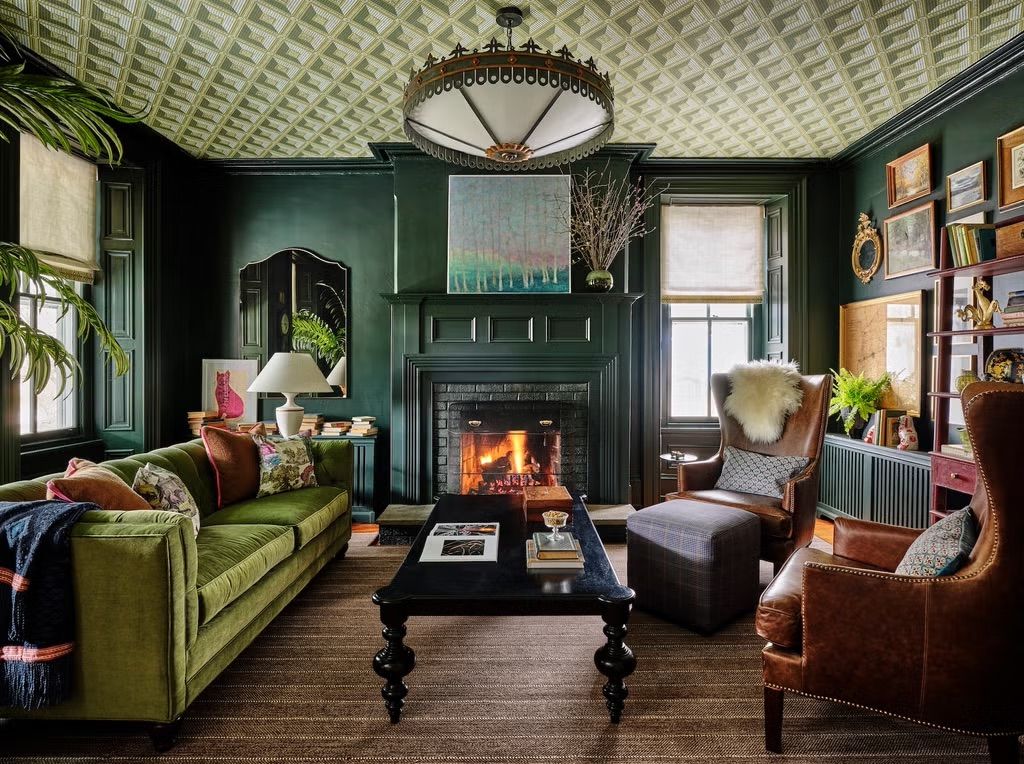
Incorporating indoor plants into your living room design not only enhances the aesthetic appeal of the space but also significantly contributes to better air quality. Plants act as natural air purifiers, filtering out harmful pollutants and toxins commonly found indoors, such as formaldehyde and benzene.
By selecting a variety of greenery, from leafy pothos to sturdy snake plants, you can create a lush atmosphere that promotes both physical and mental well-being. These plants absorb carbon dioxide and release oxygen, helping to maintain a balanced environment, which is especially beneficial in urban settings where outdoor air quality may be compromised.
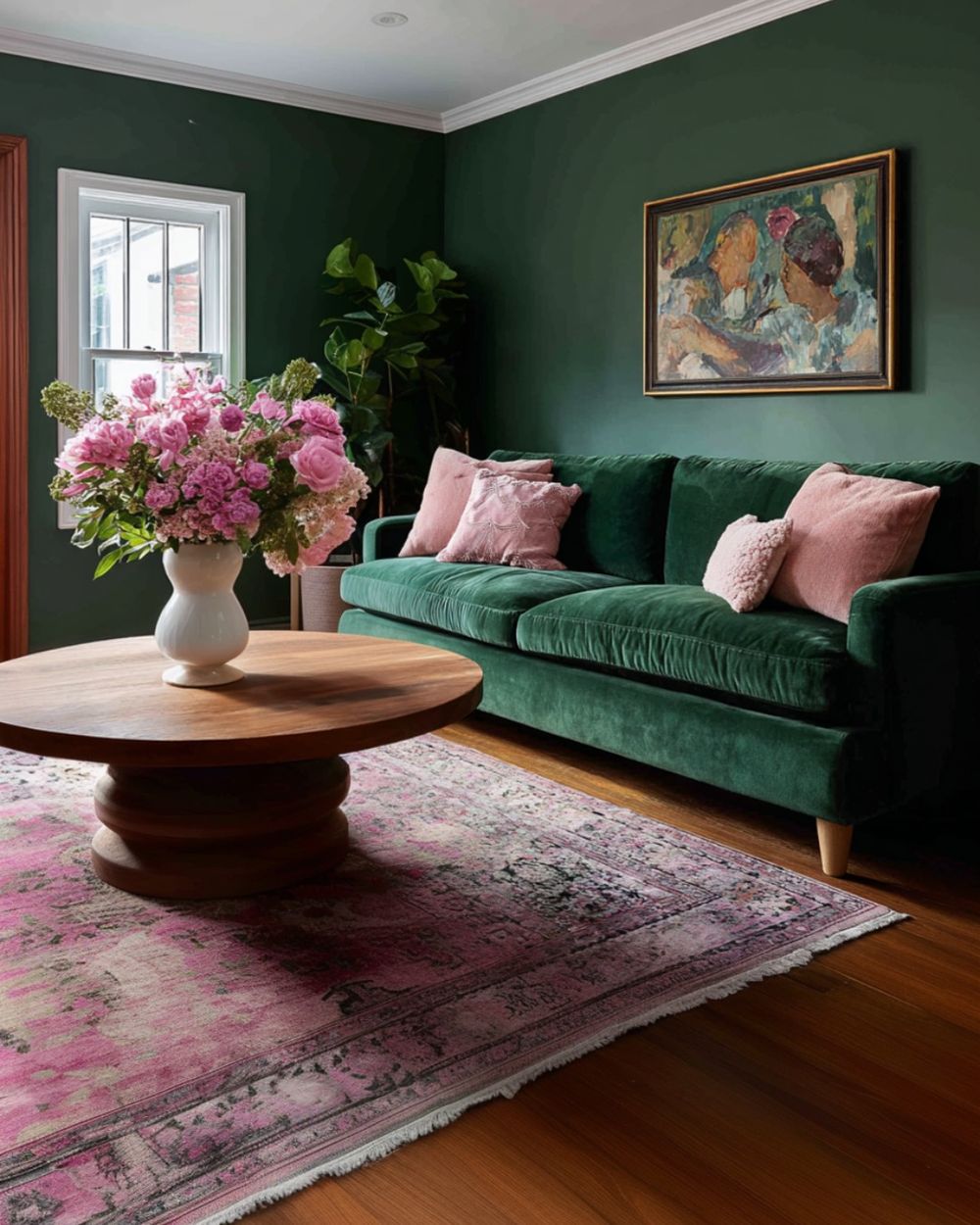
Additionally, the act of caring for plants can be a therapeutic hobby, reducing stress and encouraging mindfulness. To maximize their impact, consider grouping plants at varying heights and sizes on shelves or using innovative planters to create dynamic focal points. Whether you choose to cultivate a single statement plant or curate a diverse indoor garden, integrating greenery into your living room design fosters a connection to nature, making your space both healthy and harmonious.
Energy-Efficient Lighting Solutions for a Green Living Room
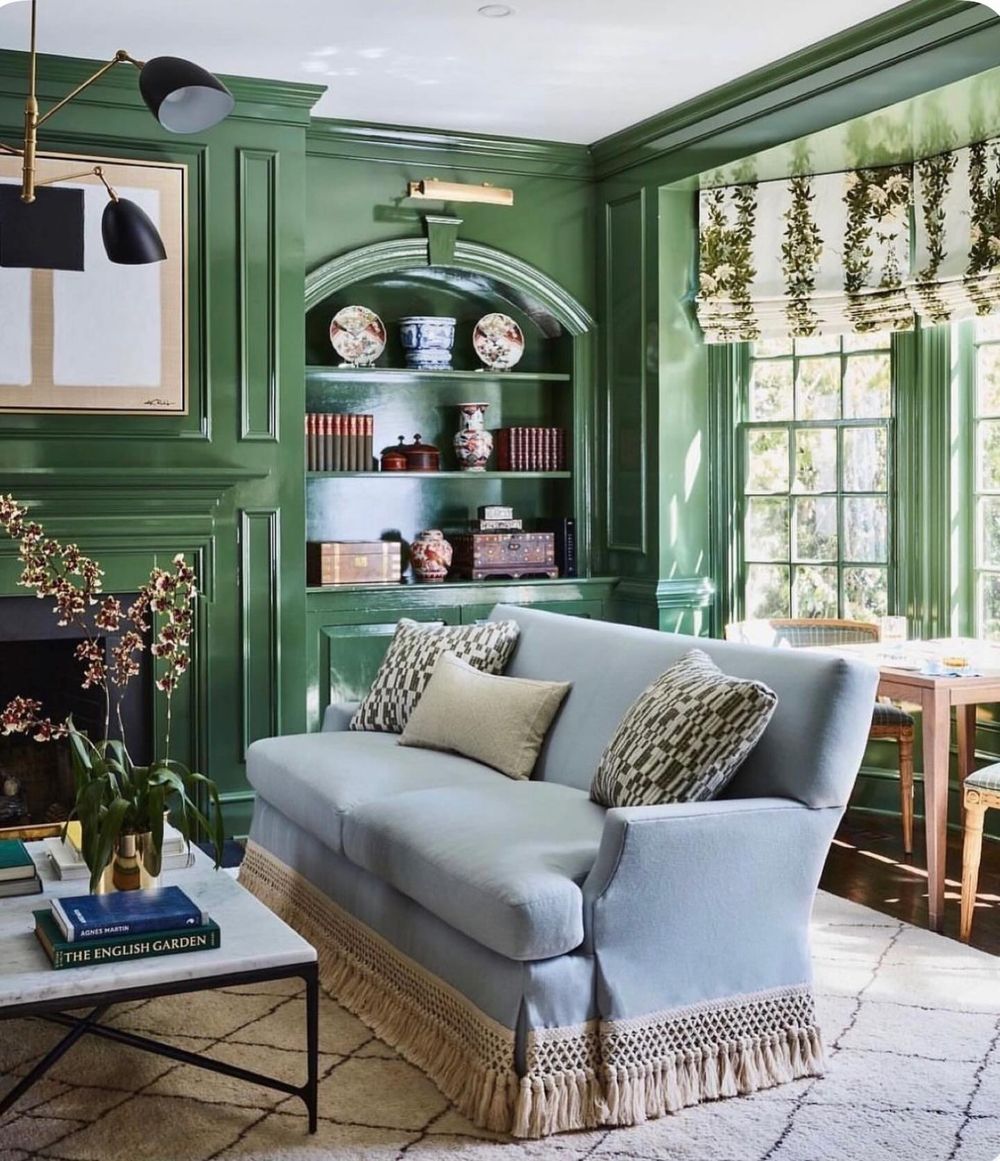
Incorporating energy-efficient lighting solutions is a pivotal element in creating a green living room that balances aesthetics with sustainability. LED (light-emitting diode) bulbs stand out as one of the most effective options due to their remarkable longevity and reduced energy consumption compared to traditional incandescent bulbs. They use up to 80% less energy and can last up to 25 times longer, significantly lowering both your utility bills and environmental impact.
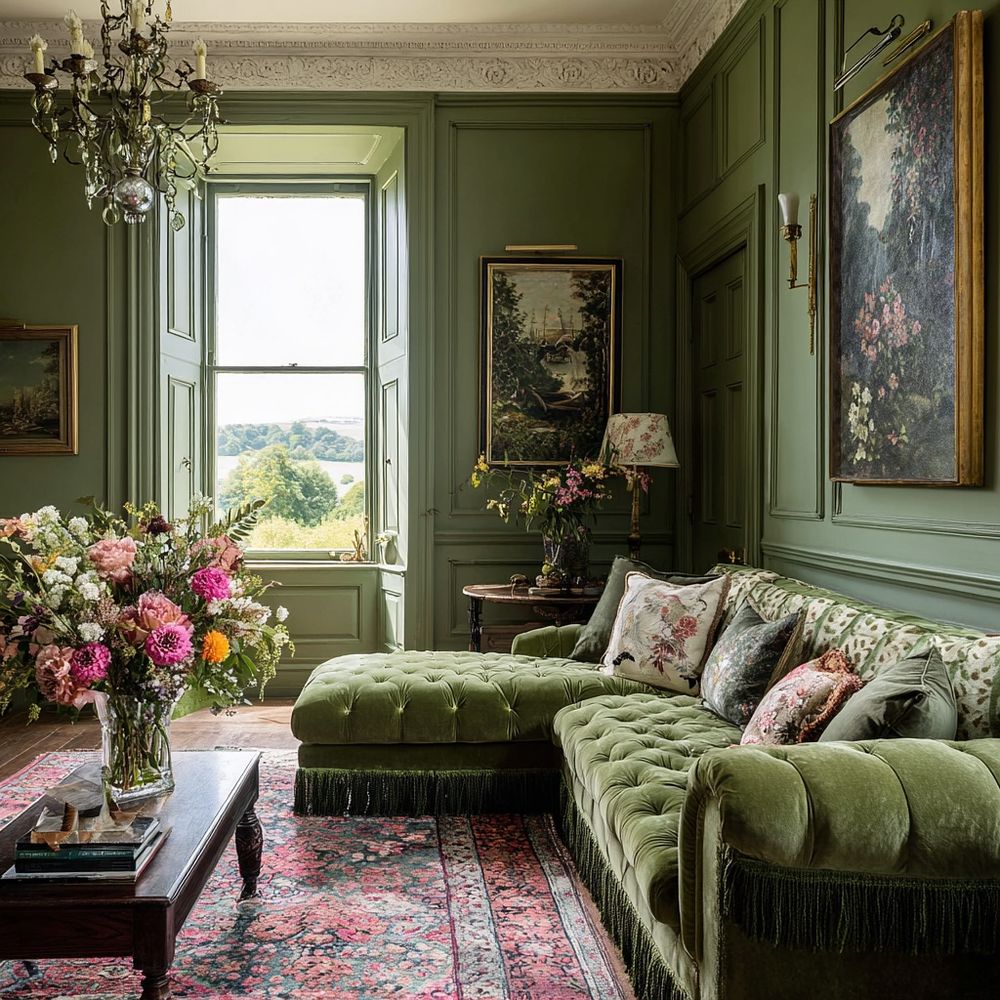
In addition to LEDs, consider the use of smart lighting systems that allow you to control brightness and set schedules via a smartphone app, ensuring that lights are only on when needed. Utilizing natural light is equally important; strategically placing mirrors can enhance the brightness of your living space while reducing the need for artificial lighting during the day. For a touch of warmth and ambiance, opt for fixtures made from sustainable materials, such as reclaimed wood or recycled metals, and choose designs that complement your overall aesthetic.
Combining these energy-efficient lighting solutions will not only enhance the beauty of your living room but also create a more eco-friendly and cost-effective space for you and your family.
Eco-Friendly Furniture Options and Brands
Incorporating eco-friendly furniture into your living room not only enhances the aesthetic appeal but also contributes to a sustainable lifestyle. Many brands now specialize in creating furniture that is both stylish and environmentally responsible. For instance, West Elm offers a range of pieces made from reclaimed wood and sustainably sourced materials. Their commitment to using materials that minimize environmental impact, alongside their Fair Trade certified products, makes them a favorite among eco-conscious consumers.
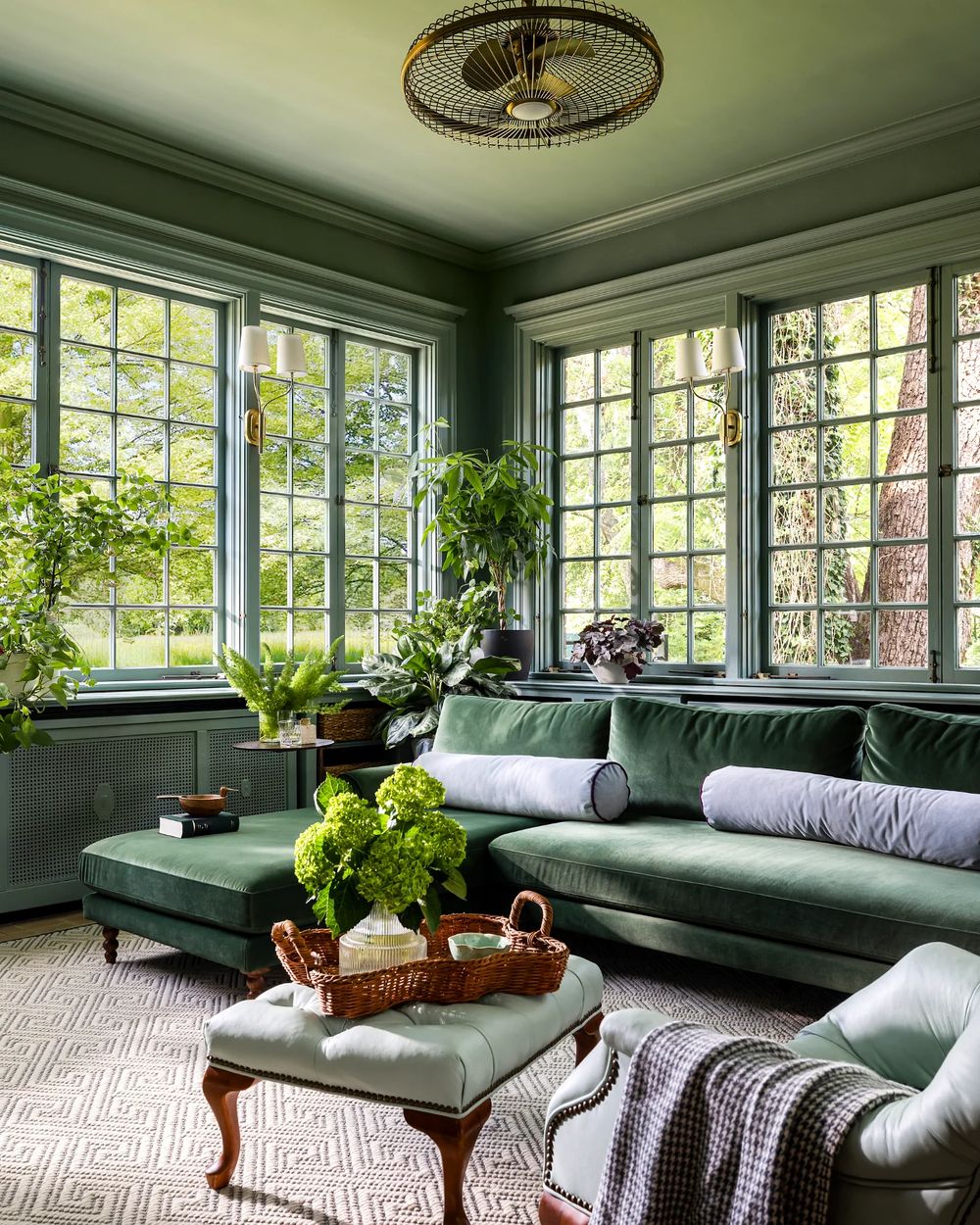
Additionally, companies like CB2 focus on utilizing recycled materials and non-toxic finishes, ensuring that their designs are not only contemporary but also safe for indoor environments. Another exemplary brand is Joybird, which emphasizes the use of sustainable wood and fabric options. Their customizable pieces make it easy to find items that fit within your specific design aesthetic while supporting responsible production practices. For a more minimalist approach, consider IKEA’s sustainability efforts, which include an array of furniture produced with renewable sources and recyclable materials.
In addition to these well-known brands, smaller, artisan furniture makers can also offer unique eco-friendly options. Shops that focus on handmade furniture often use reclaimed or locally sourced materials, reducing transportation emissions and promoting local economies.
Choosing furniture that prioritizes durability and timeless design can further enhance sustainability, as these pieces tend to last longer and reduce the need for frequent replacements. By investing in eco-friendly furniture options, you not only create a beautiful living room but also contribute to a more sustainable future for our planet.
DIY Decor Ideas Using Recycled Materials
Incorporating DIY decor ideas using recycled materials can be a fantastic way to enhance the aesthetics of a green living room while also prioritizing sustainability. One creative approach is to transform old wooden pallets into rustic coffee tables or seating options. By sanding them down and applying a coat of non-toxic sealant, you can create unique pieces that fit seamlessly into a natural-themed decor.
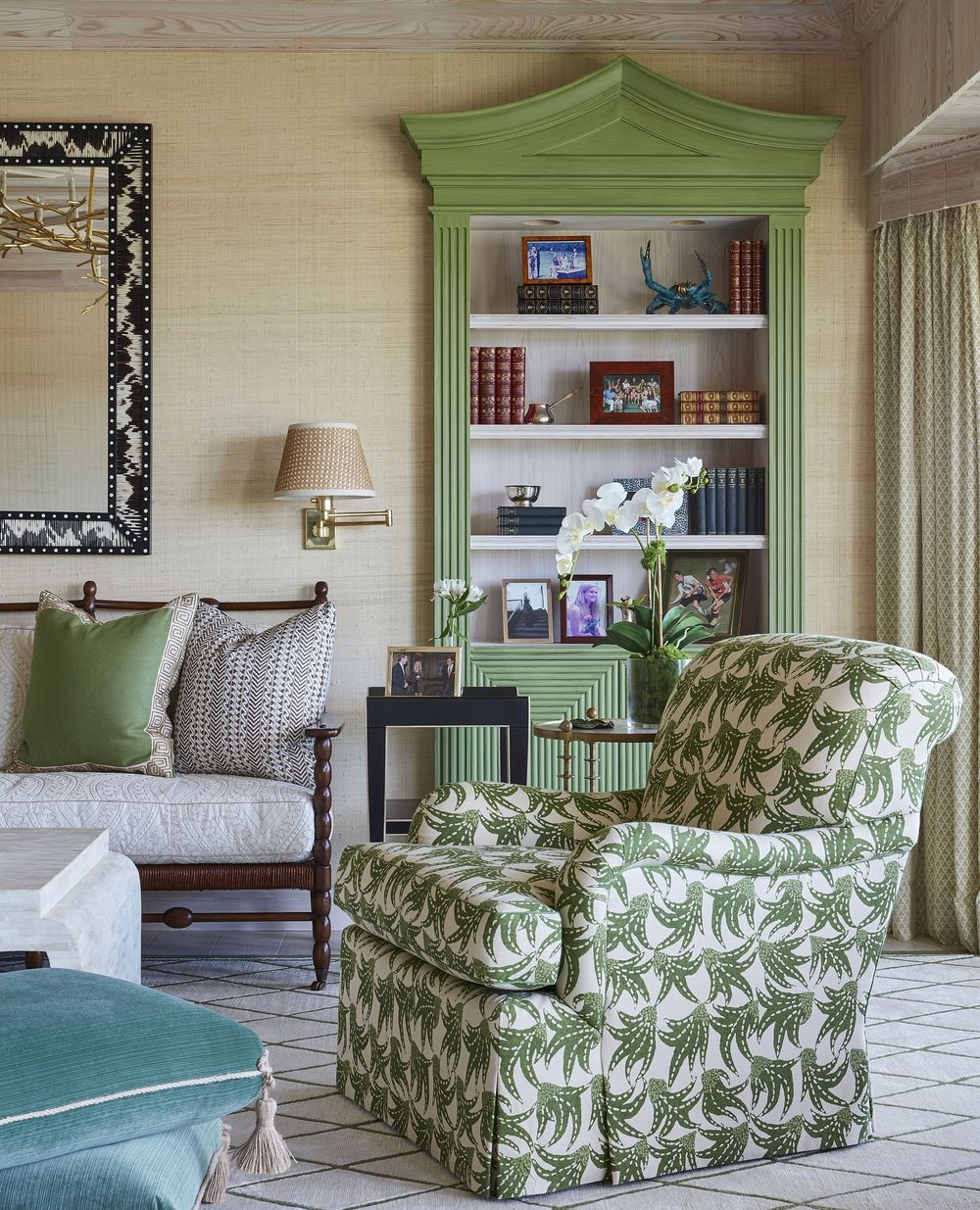
Additionally, glass jars and bottles can serve as charming vases or candle holders; simply clean them thoroughly and decorate with twine, paint, or other embellishments to match your room’s color palette. Another innovative idea is to repurpose old textiles, such as worn-out curtains or bedsheets, into throw pillows or wall art.
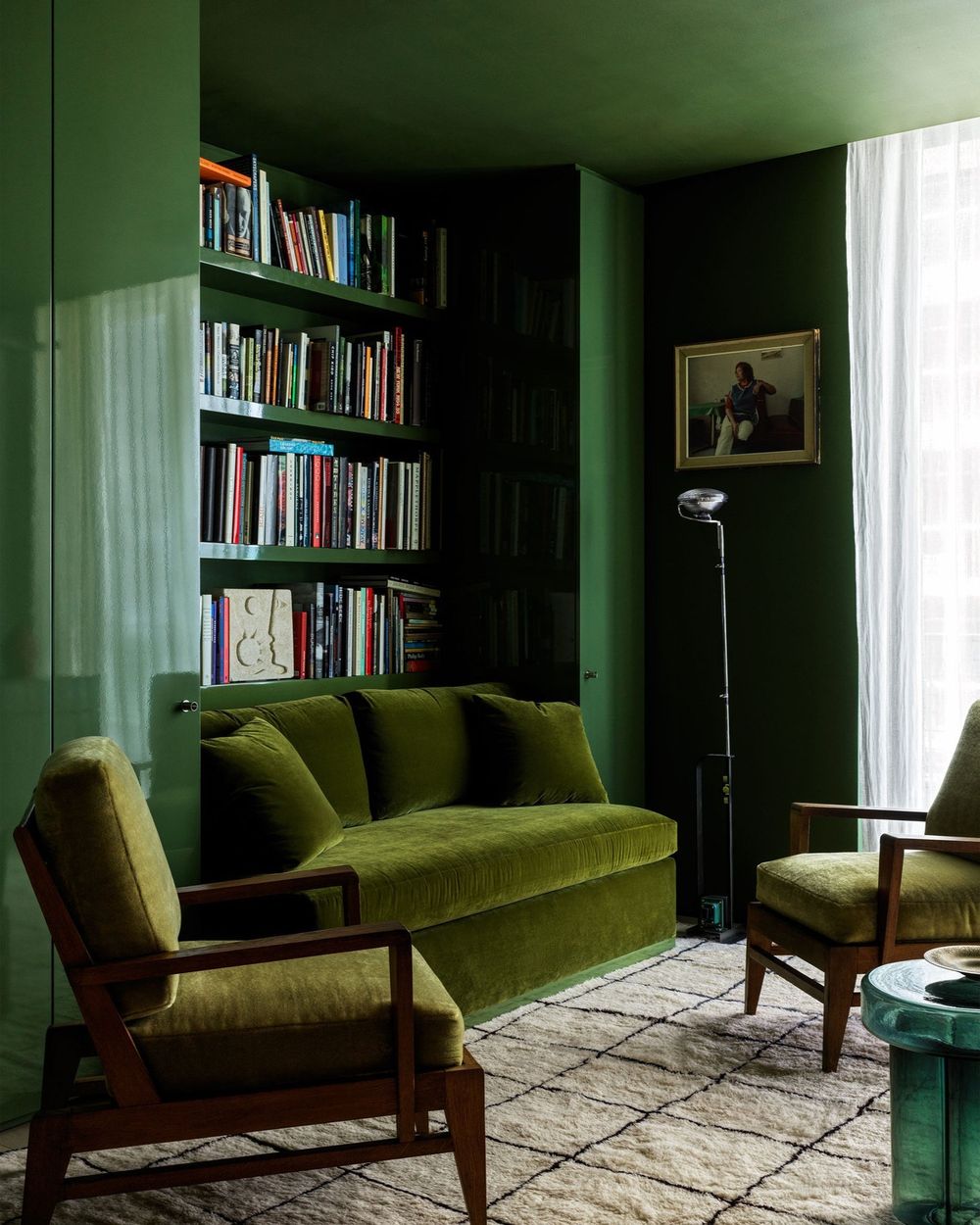
By cutting and sewing them into new shapes, you can add both texture and warmth to the space while minimizing waste. For those with a knack for crafting, creating wall art from scrap wood, fabric remnants, or even discarded furniture can transform dull walls into stunning focal points. These DIY projects not only showcase personal creativity but also contribute to a more sustainable living environment, making your green living room a space that reflects your ecological values.
Maximizing Natural Light for a Sustainable Aesthetic
Maximizing natural light is a fundamental aspect of creating a sustainable living room that not only enhances aesthetics but also promotes energy efficiency. Incorporating large windows or glass doors allows daylight to flood the space, reducing the need for artificial lighting during the day. Design considerations such as strategically placing mirrors can help reflect light and make the room feel more spacious and airy.
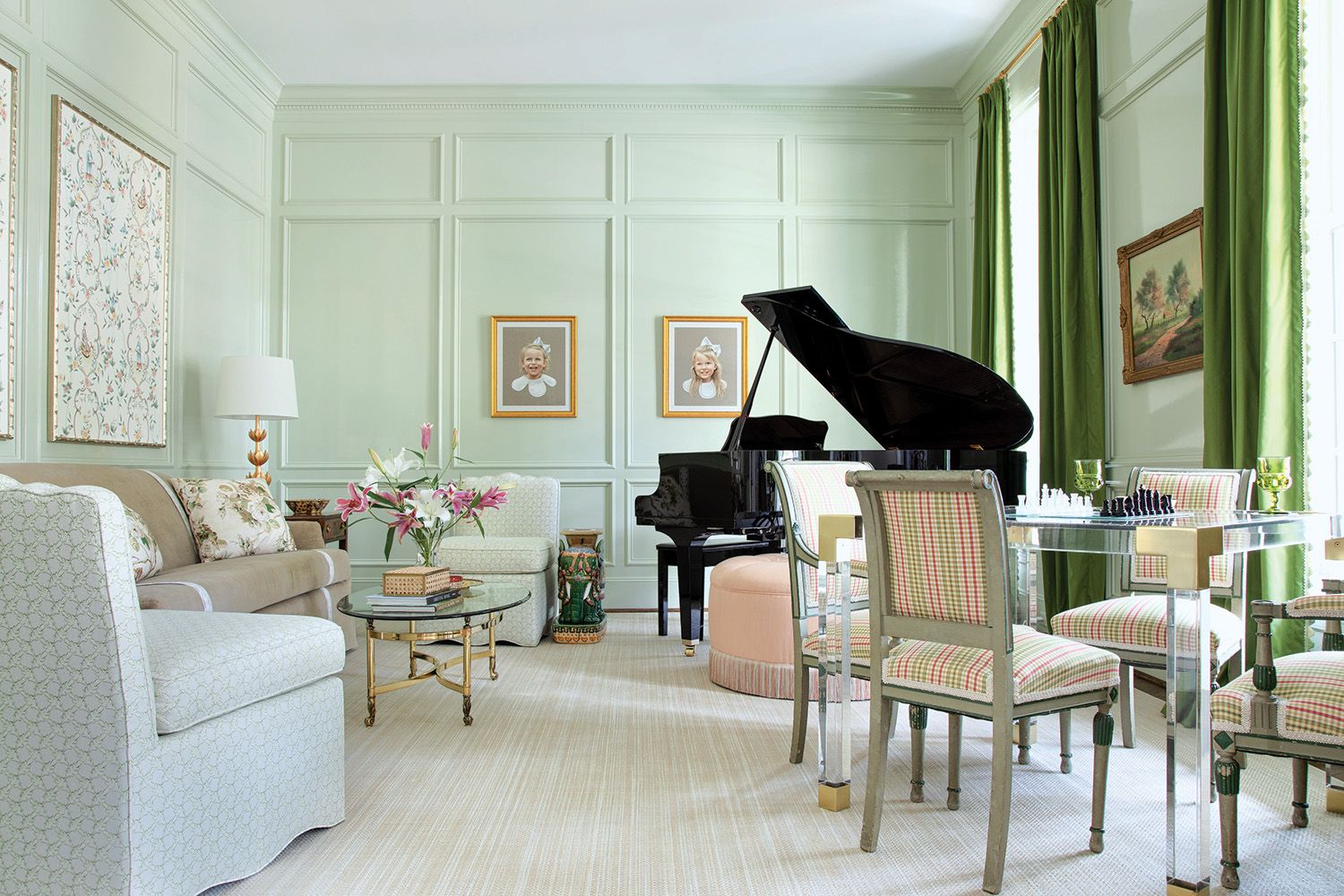
Utilizing lighter color palettes on walls and furnishings can amplify the effect of natural light, creating a warm and inviting atmosphere. Additionally, choosing sheer or light-filtering window treatments allows for privacy without sacrificing brightness, keeping the environment light and fresh.
Moreover, integrating biophilic elements, such as indoor plants, can further enhance the connection to the outdoors while improving air quality. In this way, a well-lit living room not only showcases a sustainable design aesthetic but also fosters a sense of well-being and harmony with nature, making it an ideal space for relaxation and gathering.
Creating a Cozy Atmosphere with Low-Impact Textiles
Creating a cozy atmosphere in a green living room can be beautifully achieved through the thoughtful use of low-impact textiles. Selecting materials that prioritize sustainability can enhance both the visual appeal and the environmental footprint of your space. Opt for organic cotton, linen, or hemp for curtains, cushions, and throws, as these fabrics are not only gentle on the planet but also soft and inviting. Incorporating natural textures like jute or bamboo rugs can add warmth and depth to the room while reinforcing the organic aesthetic.
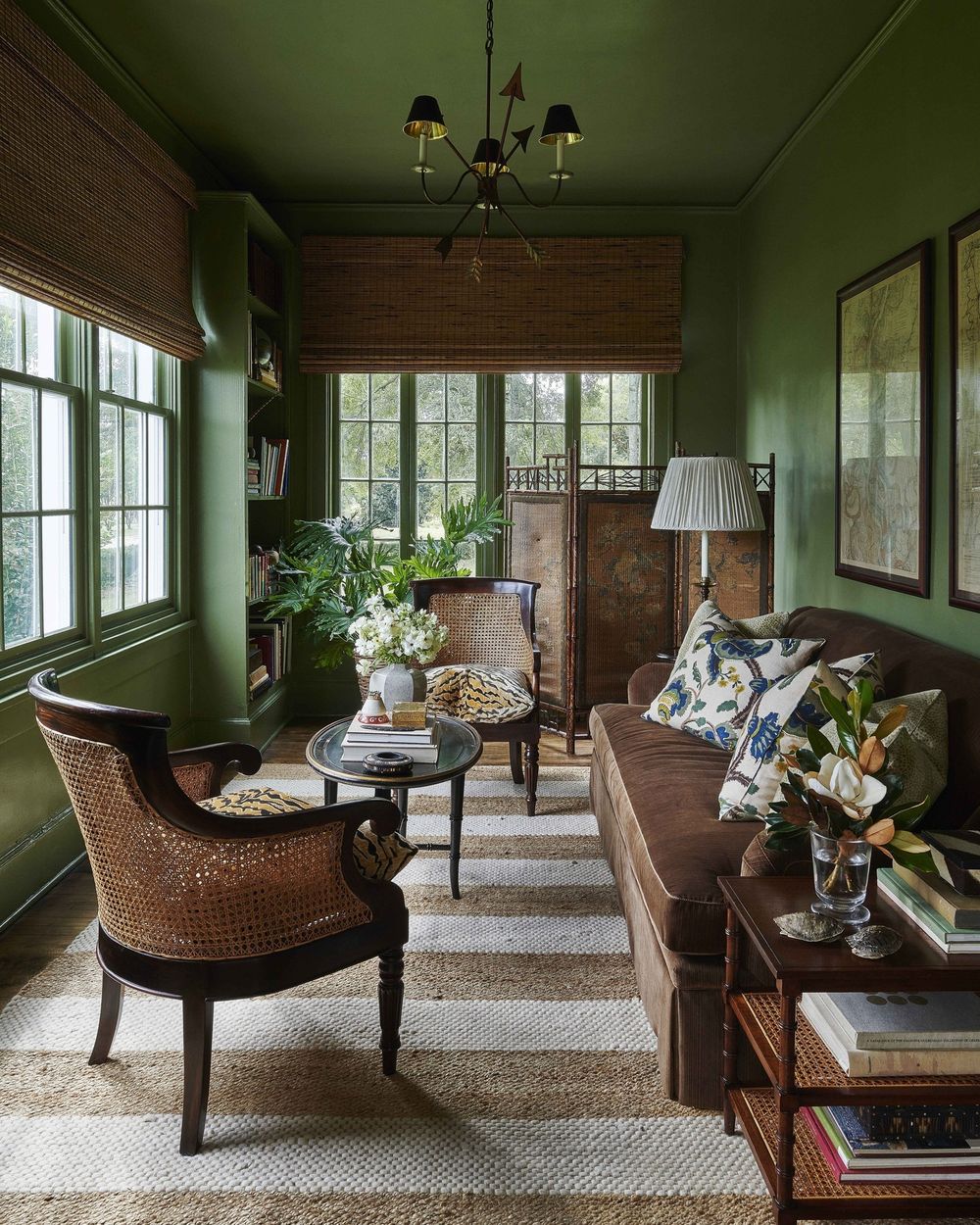
Additionally, consider upcycled or reclaimed textiles, which not only reduce waste but also bring unique character to your decor. Layering these materials can create a tactile richness that feels cozy and grounded. Utilizing color palettes inspired by nature—think earthy tones and soft pastels—can further establish a serene atmosphere, inviting relaxation and comfort.
By combining these low-impact textiles with careful attention to placement and lighting, you can transform your living room into a serene retreat that embraces both style and sustainability.