
In a world where natural and sustainable living are increasingly becoming the norm, the humble ivy-covered house has emerged as a charming and stylish choice for homeowners seeking a unique and eco-friendly living space. Ivy’s ability to thrive on walls and trellises has made it a popular choice for home designers and homeowners alike, and for good reason.
Not only does it add a touch of rustic charm and character to any home, but it also provides a natural air purification system, helping to keep indoor air clean and fresh. With its versatility and low maintenance requirements, ivy-covered houses are now a popular choice for those looking to create a healthy and beautiful living space that also supports a sustainable lifestyle.

Ivy&Lane Outdoor-Cat-House | Insulated-Feral-Cat-Shelter | Weatherproof | for Winter | Foam & Wood | Large | for Multiple Cats | Fold-up Stair | Acrylic Window | Brown
Check Price on Amazon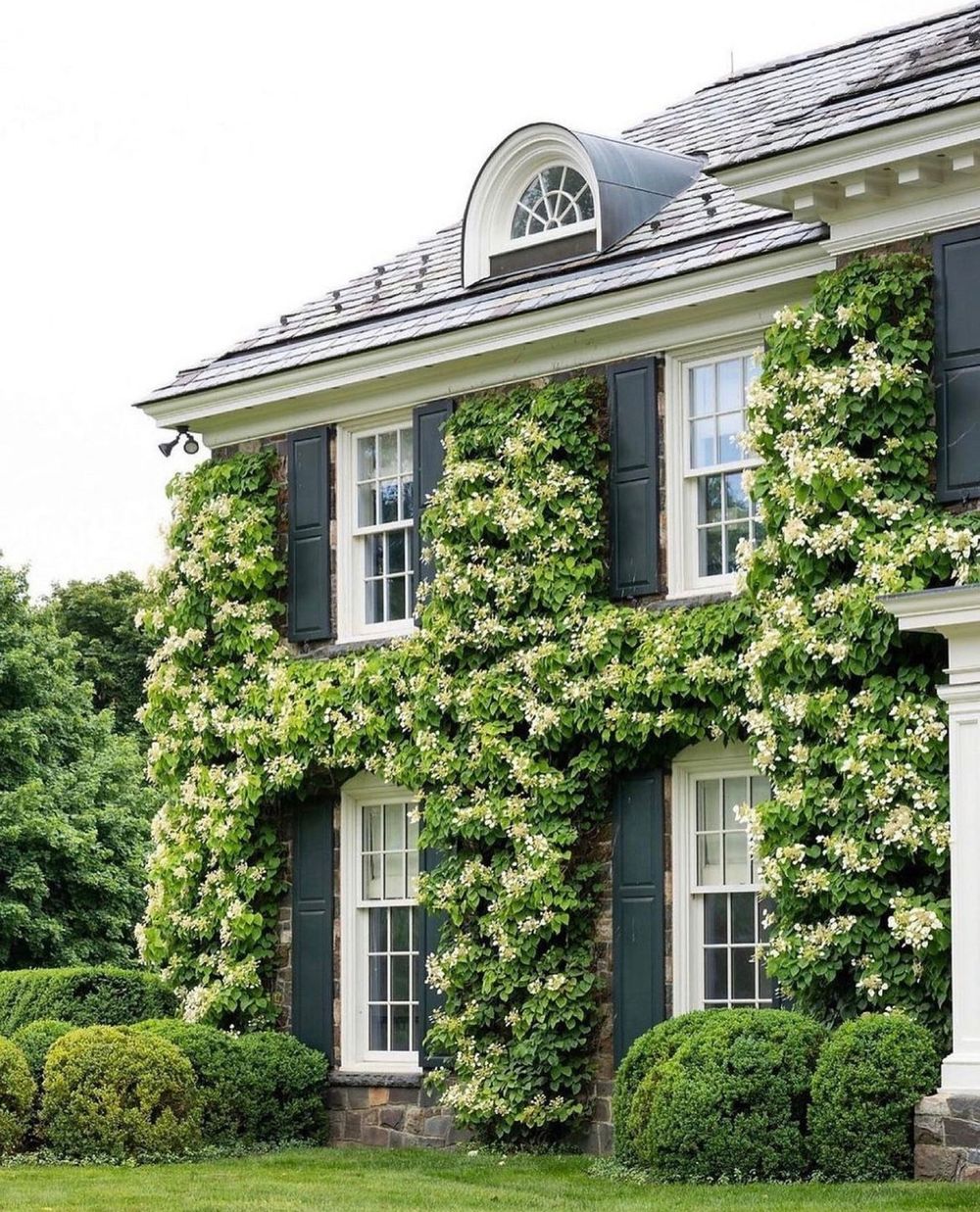
The Aesthetic Appeal of Ivy Covered Houses
The aesthetic appeal of ivy-covered houses lies in their inherent charm and timeless beauty, evoking images of idyllic settings and romantic architecture. The lush greenery of ivy climbing up walls creates a stunning contrast against various materials such as stone, brick, or wood, enriching the exterior’s visual texture. As ivy weaves its way around windows and doorways, it softens hard architectural lines, contributing to a more organic and inviting environment. This natural draping not only enhances the character of a home but also provides a sense of age and permanence, often associated with historic buildings that have gracefully stood the test of time.
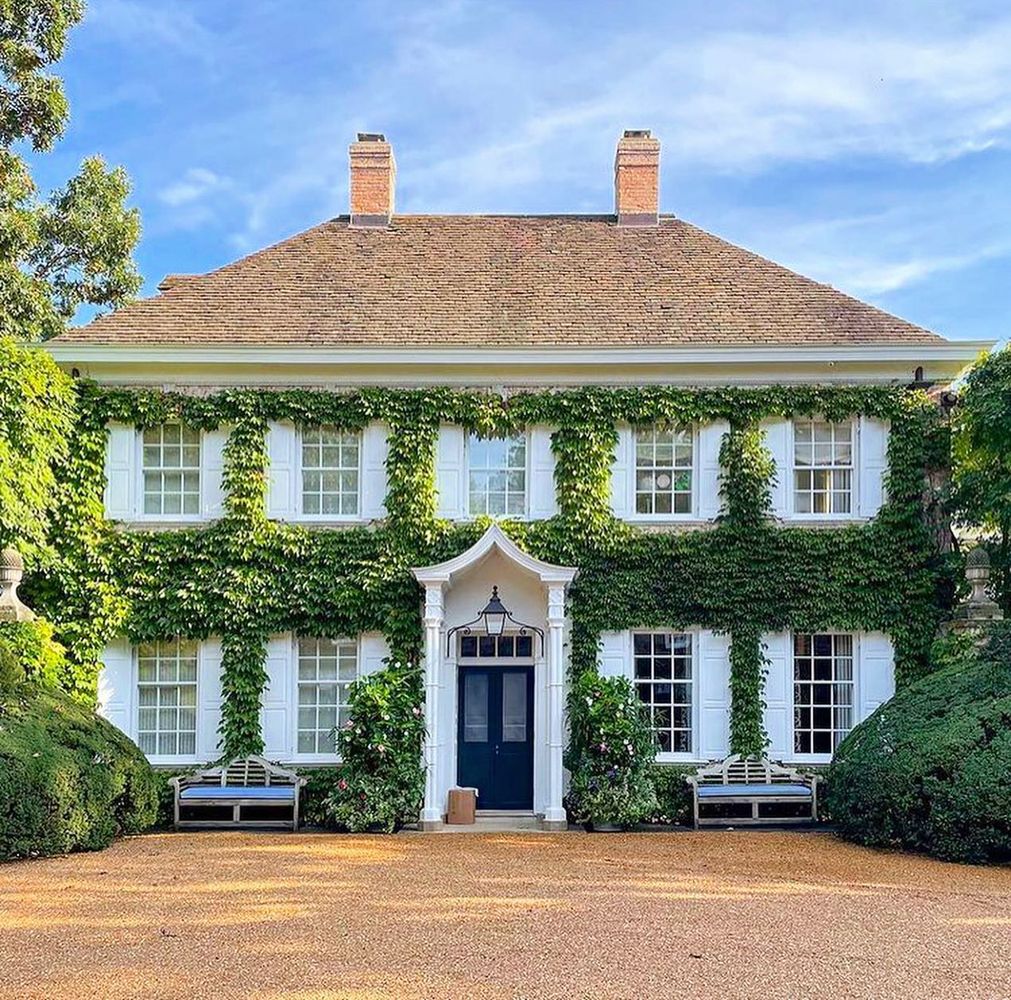
Moreover, the seasonal changes of ivy bring a dynamic quality; from vibrant greens in spring and summer to warm hues in autumn, the visual interest evolves throughout the year, offering a living canvas that engages the senses. The allure of ivy-covered houses extends beyond mere appearance, fostering an atmosphere of tranquility and nostalgia, making them highly desirable in both contemporary and traditional settings. Ultimately, these verdant facades inspire a longing for connection with nature, allowing homeowners to merge indoor and outdoor living in a seamless manner that celebrates an enduring relationship with the environment.
Historical Significance of Ivy in Home Design
The historical significance of ivy in home design is deeply rooted in various cultural traditions and architectural styles that highlight its enduring appeal. Dating back to ancient Rome, ivy was associated with the god Bacchus, symbolizing fertility, ecstasy, and the promise of eternity. This connection to nature made ivy a popular choice for adorning both public buildings and private homes, where it became a decorative element that blurred the lines between the constructed environment and the natural world. During the Gothic Revival in the 19th century, the use of ivy as a climbing plant to adorn facades became emblematic of romanticism, reflecting a longing for the past and an appreciation for nature.
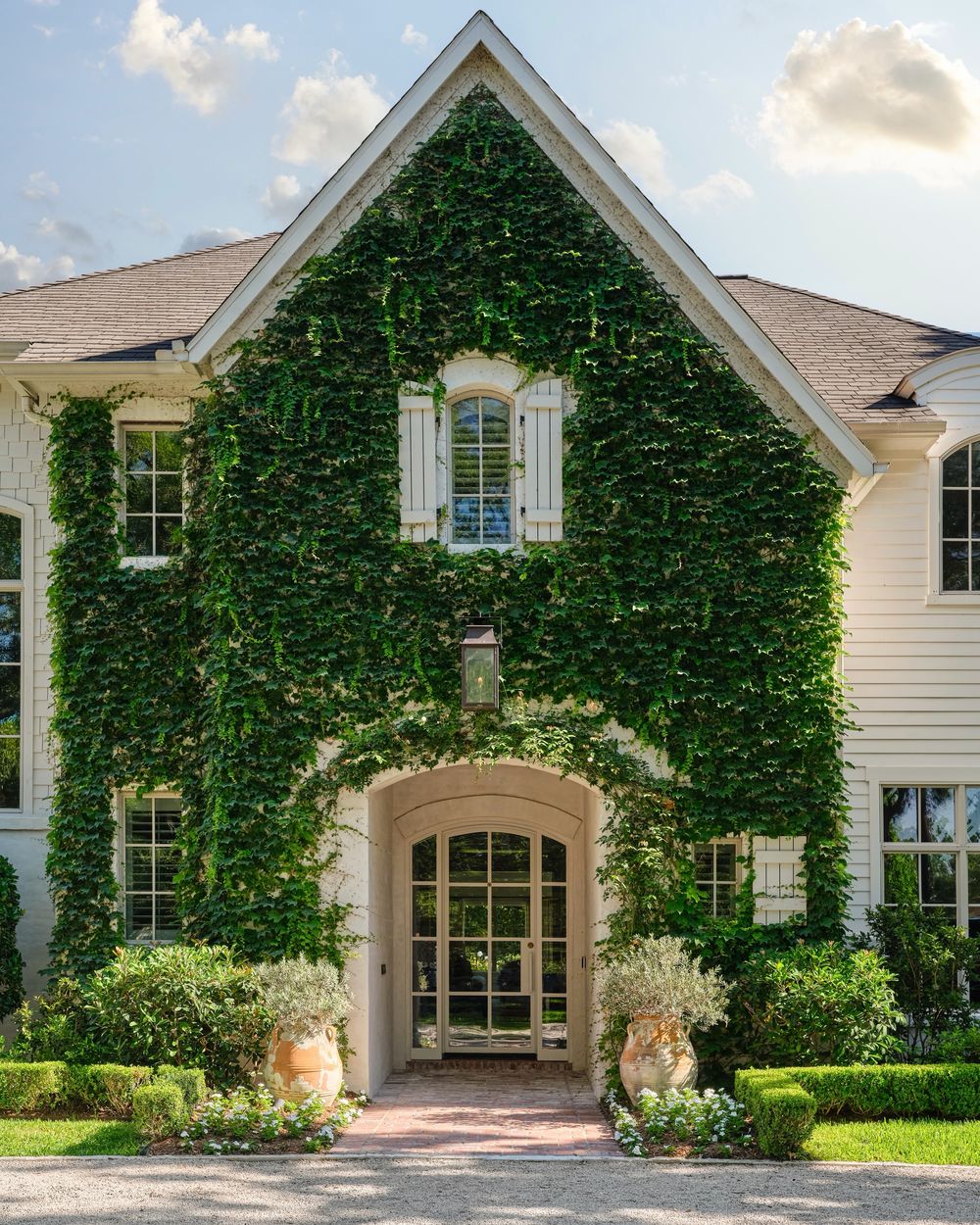
Ivy-covered houses often evoke a sense of nostalgia and charm, creating a picturesque aesthetic that resonates with historical narratives. Additionally, ivy has been embraced in various architectural movements, from the Arts and Crafts movement, which emphasized craftsmanship and the integration of nature, to modern contemporary designs where it serves as a green sustainable feature. Today, ivy continues to evoke a sense of timelessness and beauty in home design, not only enhancing visual appeal but also encouraging a connection to the environment, bridging the gap between architecture and the organic world.
Best Types of Ivy for Climbing Homes
When considering ivy for climbing homes, several species stand out for their aesthetic appeal and hardiness. English ivy (Hedera helix) is perhaps the most popular choice, known for its evergreen leaves and vigorous growth, making it an ideal candidate for creating a lush, green facade. It clings effortlessly to surfaces, providing excellent coverage and a classic look. Boston ivy (Parthenocissus tricuspidata) offers a stunning seasonal transformation; its leaves change to vibrant shades of red and orange in the fall, adding dynamic color to your home.
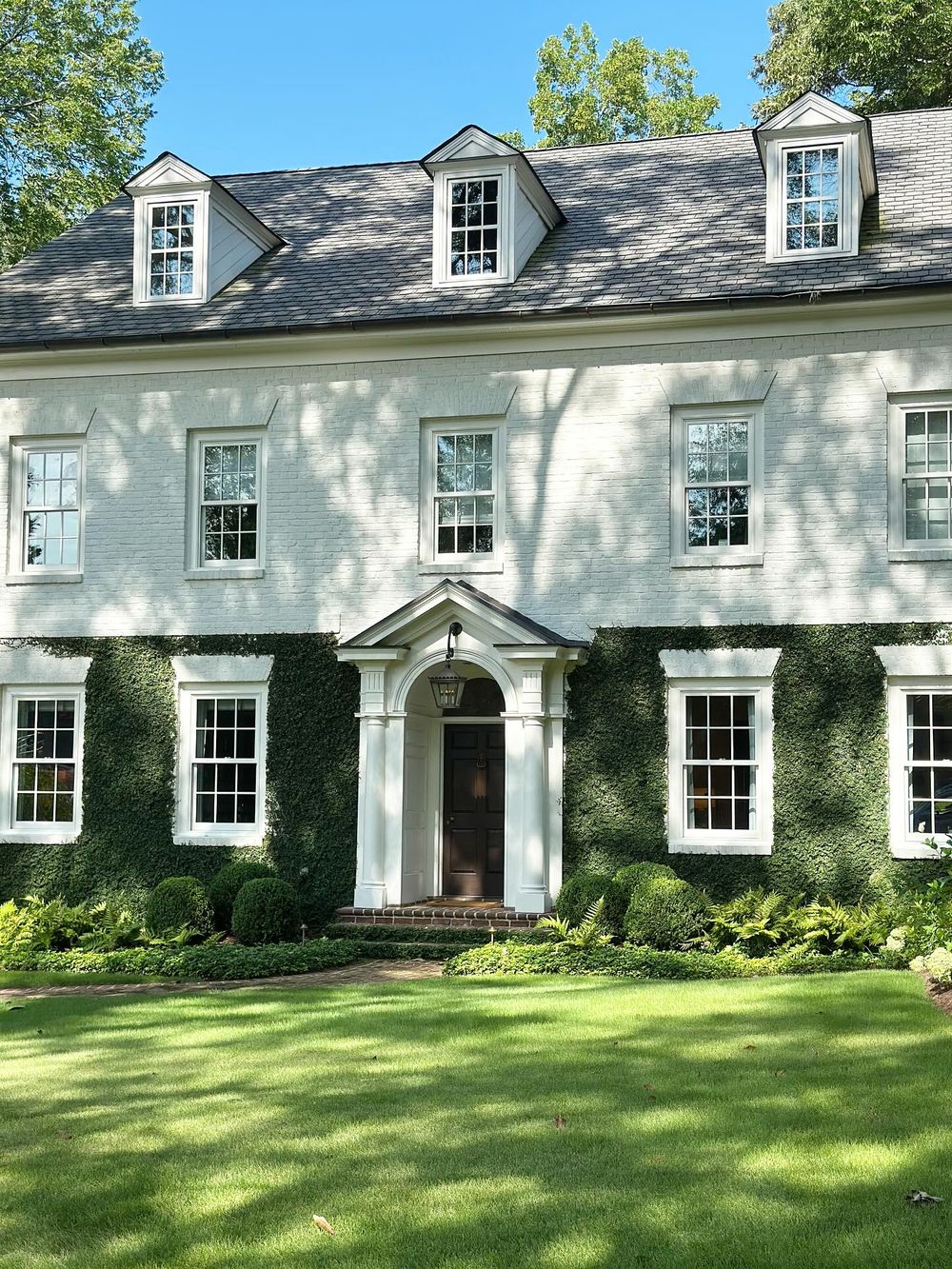
Another great option is the Swedish ivy (Plectranthus aurea), which, although not a true climbing ivy, can cascade beautifully over railings or walls, softening hard edges with its lush foliage. The Virginia creeper (Parthenocissus quinquefolia) also deserves mention for its rapid growth and beautiful autumnal hues, though it can be more aggressive and may require more careful management.
Finally, consider the climbing hydrangea (Hydrangea anomala subsp. petiolaris), which while technically not an ivy, offers stunning blooms and can cling to surfaces with ease. Each of these ivy types brings unique characteristics, ensuring that your home can achieve not only a timeless rustic charm but also a vibrant living component to your exterior design.
Maintenance Tips for Ivy Covered Homes
Maintaining an ivy-covered home requires a careful balance of appreciation for the plant’s beauty and attention to its potential effects on the structure. Regular inspections are essential to monitor the health of the ivy, ensuring it does not become overgrown or invasive. Trimming back the vines periodically helps to manage their spread, preventing them from encroaching on windows or doors and minimizing potential damage to gutters and roofing. It’s also important to check for any signs of pests or disease in the ivy, as these can both affect the plant’s health and compromise the integrity of the home.
During periods of heavy rain or storms, clearing debris from gutters and downspouts can prevent water from collecting against the walls, which is especially crucial in ivy-covered homes, as the plant can trap moisture against the siding.
Additionally, homeowners should consider the impact of ivy on exterior finishes; regular cleaning of the walls may be necessary to avoid staining caused by the plant’s foliage. While ivy adds charm and character to a house, maintaining a proper distance from the structure can protect both the plant and the home, ensuring that their coexistence is symbiotic rather than detrimental.
Combining Ivy with Other Landscaping Elements
Combining ivy with other landscaping elements can create a harmonious and visually stunning exterior that enhances the charm of ivy-covered houses. When considering the integration of ivy into your landscaping, think about the layers of texture and color it can bring to your outdoor space. For example, pairing ivy with stone pathways or brick walls can create a rustic, timeless appeal, allowing the greenery to soften hard surfaces and create a sense of tranquility. Incorporating garden structures such as trellises, arches, or pergolas adorned with flowering vines and ivy can add vertical interest while providing a beautiful contrast to the foliage.
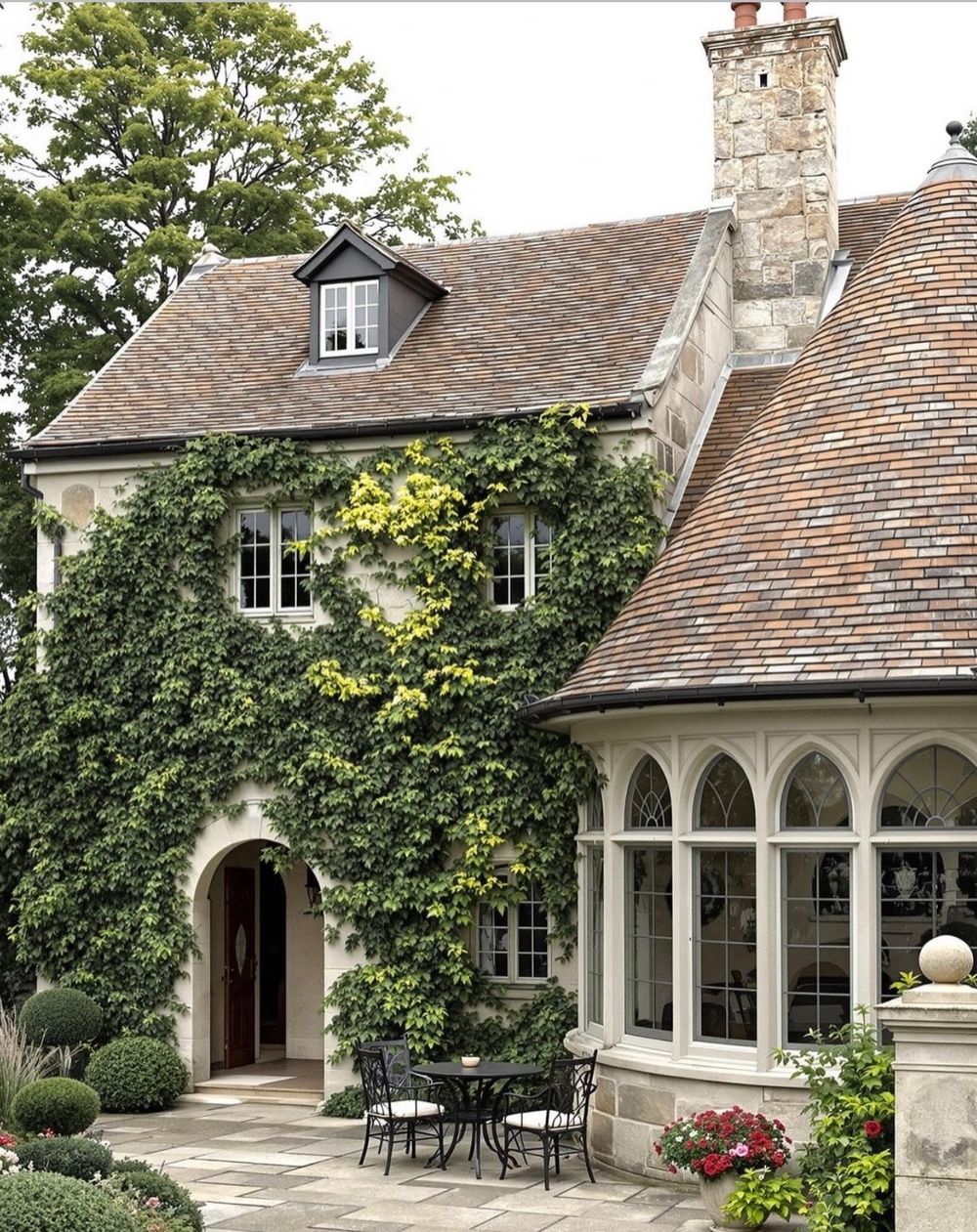
Additionally, using decorative planters filled with vibrant seasonal flowers alongside ivy can inject bursts of color, creating a lively yet cohesive landscape. Accent lighting can also enhance the beauty of ivy at night, allowing its intertwining tendrils to cast delicate shadows and create a magical ambiance. By thoughtfully combining ivy with these other landscaping elements, homeowners can achieve a well-rounded, inviting exterior that complements the lush, enchanting nature of ivy-covered homes.
Popular Styles of Ivy-Covered Architecture
Ivy-covered architecture evokes a sense of timeless beauty and connection with nature, often seen in various popular styles that charm homeowners and designers alike. One of the most iconic styles incorporates the English Cottage aesthetic, characterized by its quaint, whimsical facades and rustic charm. These homes often feature steeply pitched roofs, exposed timber beams, and cozy stone details, inviting ivy vines to cascade down their walls, further enhancing their enchanting allure.
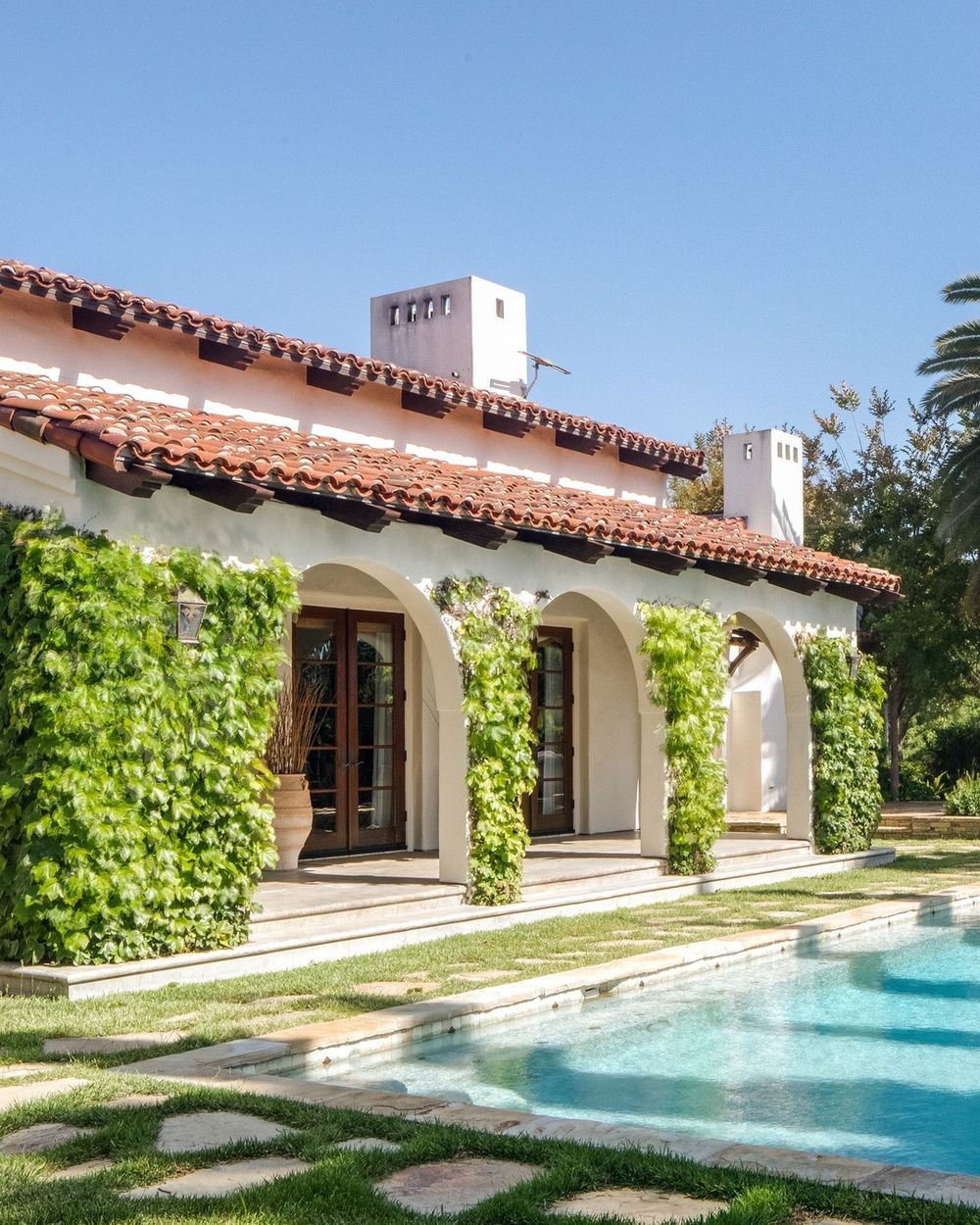
Meanwhile, Mediterranean-inspired designs showcase terracotta tiles and stucco surfaces, where lush ivy complements the vibrant colors and textures typical of the region. Gothic Revival architecture also offers striking visuals; its pointed arches, intricate windows, and ornate facades create a dramatic backdrop for ivy to flourish, lending an air of romantic decay that many find irresistible.
On a more modern note, contemporary designs often implement ivy in sleek, minimalist structures, allowing the greenery to act as a natural counterbalance to sharp lines and expansive glass surfaces, breathing life into otherwise stark elements. Each style demonstrates how ivy not only beautifies and softens architectural elements but also cultivates an enchanting harmony between built environments and the natural world.
How Ivy Affects Home Value and Energy Efficiency
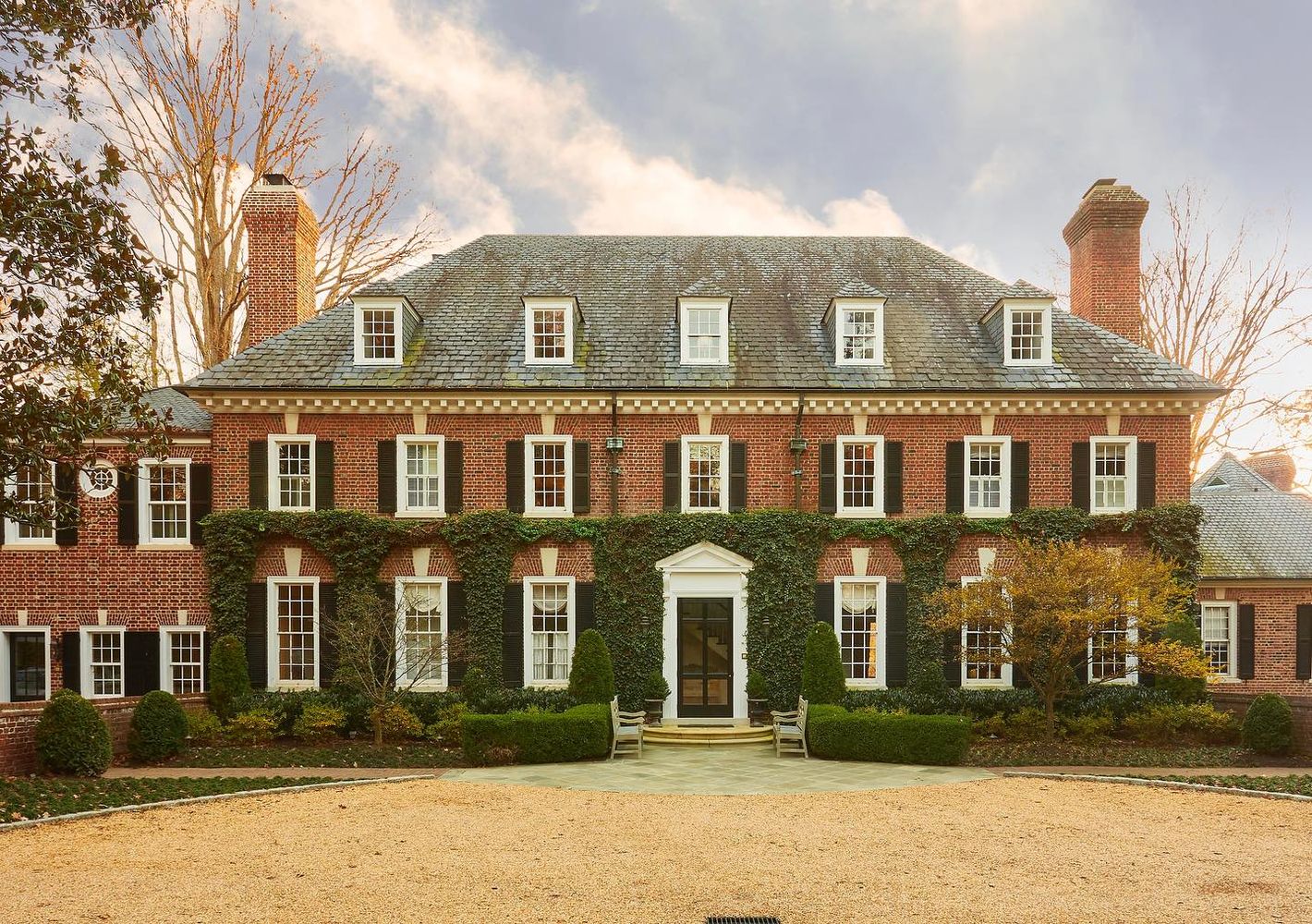
Ivy-covered houses often evoke a sense of charm and nostalgia, but the impact of ivy on home value and energy efficiency is a nuanced topic. On one hand, a well-maintained ivy facade can enhance curb appeal, making a property more attractive to potential buyers. This aesthetic allure can translate into increased home value, particularly in neighborhoods where greenery and architectural character are highly prized.
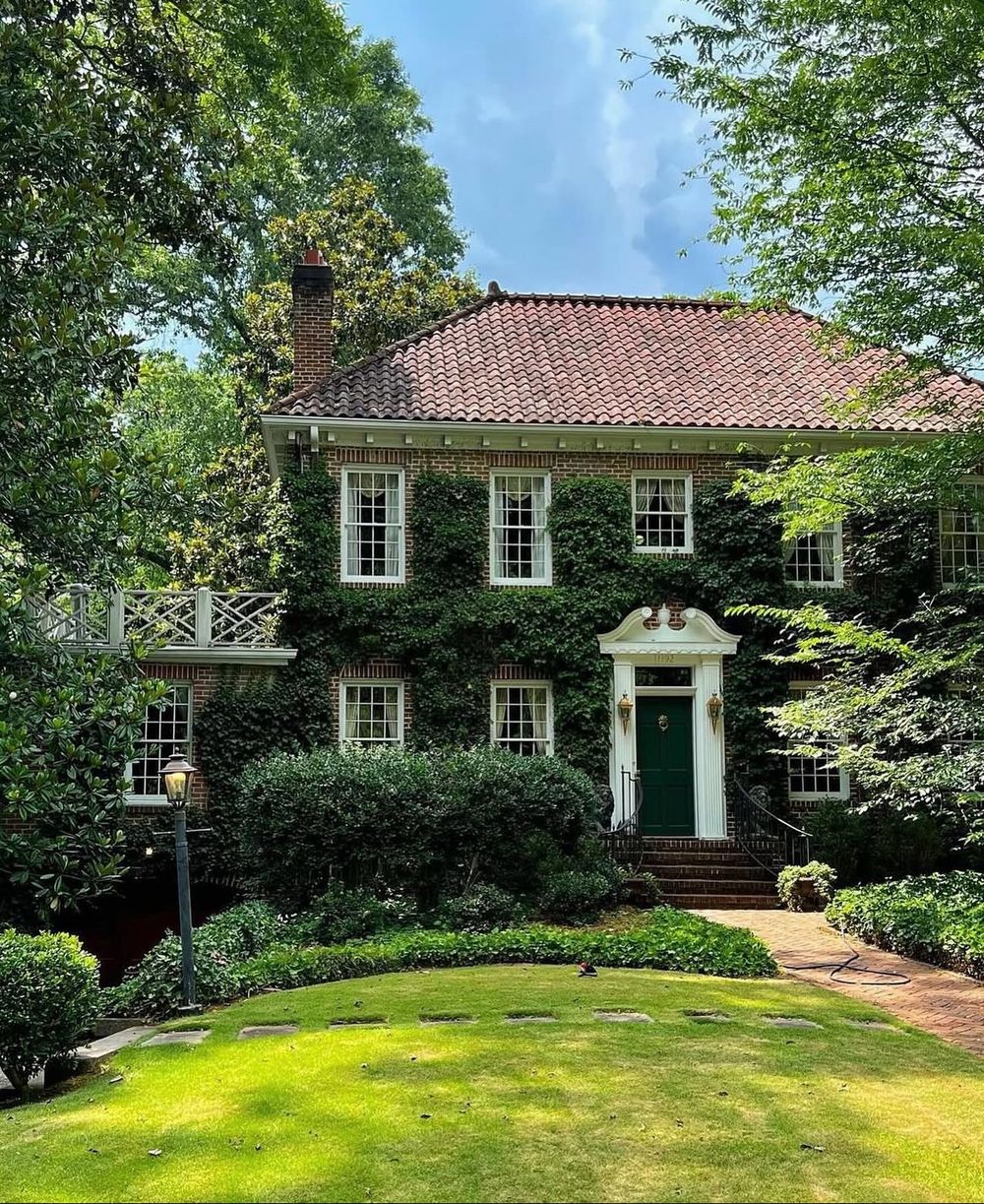
However, on the flip side, uncontrolled ivy growth can lead to structural issues, including damage to brick, wood, and even roofing materials, which can detract from a home’s value. From an energy efficiency standpoint, ivy can provide a natural insulation layer, helping to regulate indoor temperatures by keeping homes cooler in the summer and warmer in the winter. The shaded effect of ivy reduces heat absorption, which can lower air conditioning costs, while the insulating properties can decrease heating expenses as well.
Nonetheless, it’s essential for homeowners to balance the benefits with proper maintenance and assessment to prevent ivy from becoming invasive and causing more harm than good. This consideration is crucial for maintaining both the home’s aesthetic appeal and its overall market value.
