
Turkish towels, known for their lightweight and absorbent properties, are the perfect addition to any bathroom decor. These beautifully crafted textiles come in a variety of colors and patterns, making them both functional and stylish. Elevate your bathroom aesthetic while embracing a piece of traditional craftsmanship with these versatile towels.
Turkish towels (also called peshtemal, pestemal, or hammam towels) originated in the Ottoman Empire, with roots tied to hammam (Turkish bath) culture that dates back several centuries.

LANE LINEN Turkish Towels 6 Pcs, Beach Towels Oversized, Soft - Beach Party | Pre-Washed Pool Towel - 39"x71", Vacation Essential - Machine Washable, Travel & Camping - Reinforced Hems, Super Absorbent
Check Price on Amazon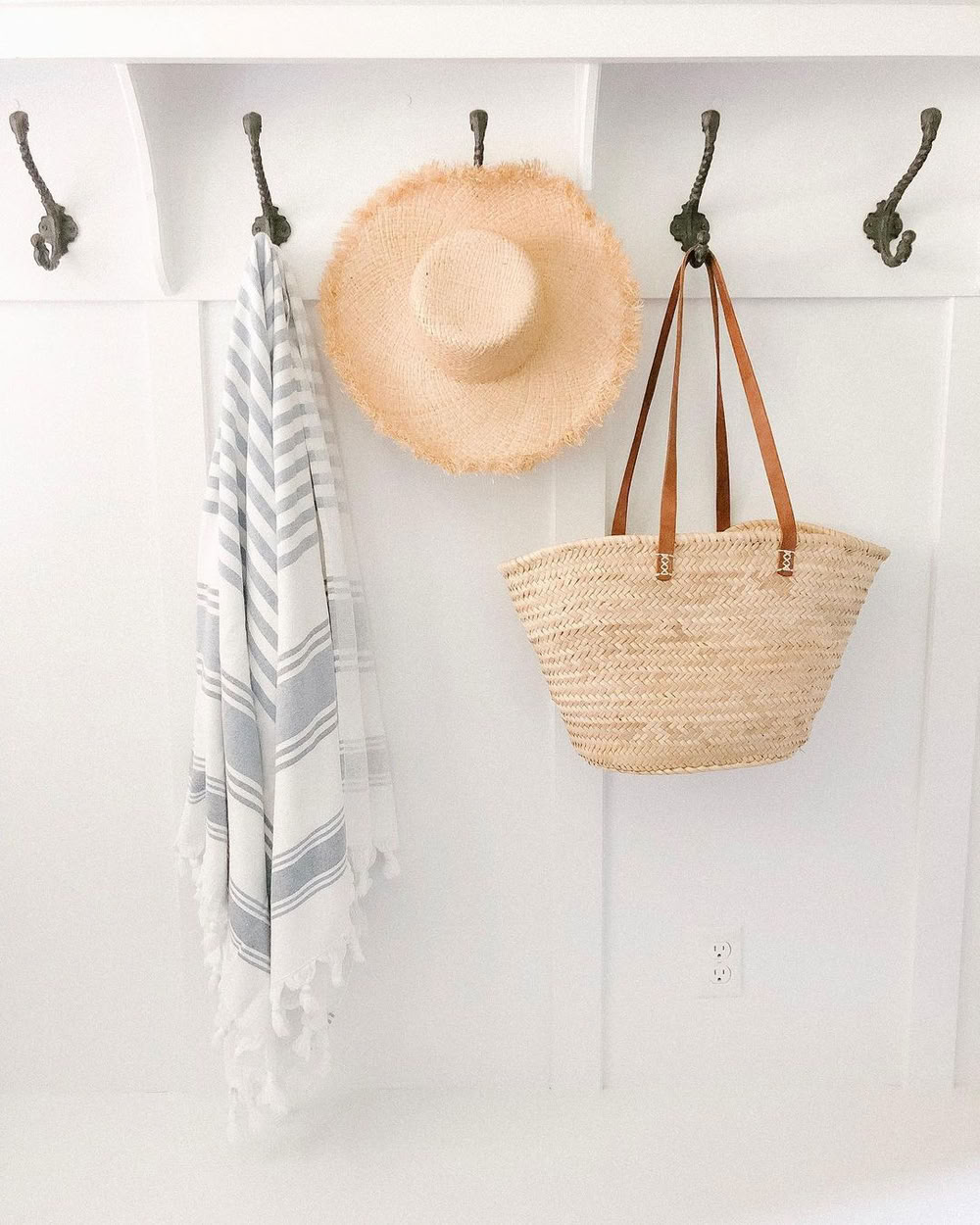
Shop

Historical Origins
Public bathing traditions in the region drew from Roman and Byzantine baths. As the Ottoman Empire expanded (roughly 1300–1922), hammams became central social, hygienic, and ritual spaces—used for cleanliness before prayer, socializing, and events like pre-wedding preparations. In a Muslim-majority society, modesty was important in these communal settings.
The peshtemal (from Persian roots meaning roughly “back towel” or a cloth worn around the body) emerged as a practical solution, coming into wider use by the early 1600s (some accounts place related traditions earlier). These were flat-woven, lightweight, highly absorbent cotton (or sometimes linen/silk) cloths, long enough to wrap the body for privacy while bathing or drying. They stayed relatively light when wet and dried quickly.
Key production centers included areas like Bursa, Denizli (especially districts such as Buldan or Kızılcabölük), and the Aegean region, which had excellent long-staple cotton. Weavers, drawing on carpet-weaving skills, created increasingly ornate, embroidered designs for the wealthy and royalty. By the 18th century, a looped-pile technique (using a supplemental warp) developed; these became known as havly or havlu (“with loops”), the forerunners of modern terry towels. Flat-woven peshtemals remained distinct.
Towels were luxury items until 19th-century industrialization and expanded cotton trade made them more widely available. Traditional hand-weaving continues in places, though most production is now mechanized; authentic versions still emphasize Turkish cotton’s long fibers for strength, smoothness, and absorbency that improves with washing.
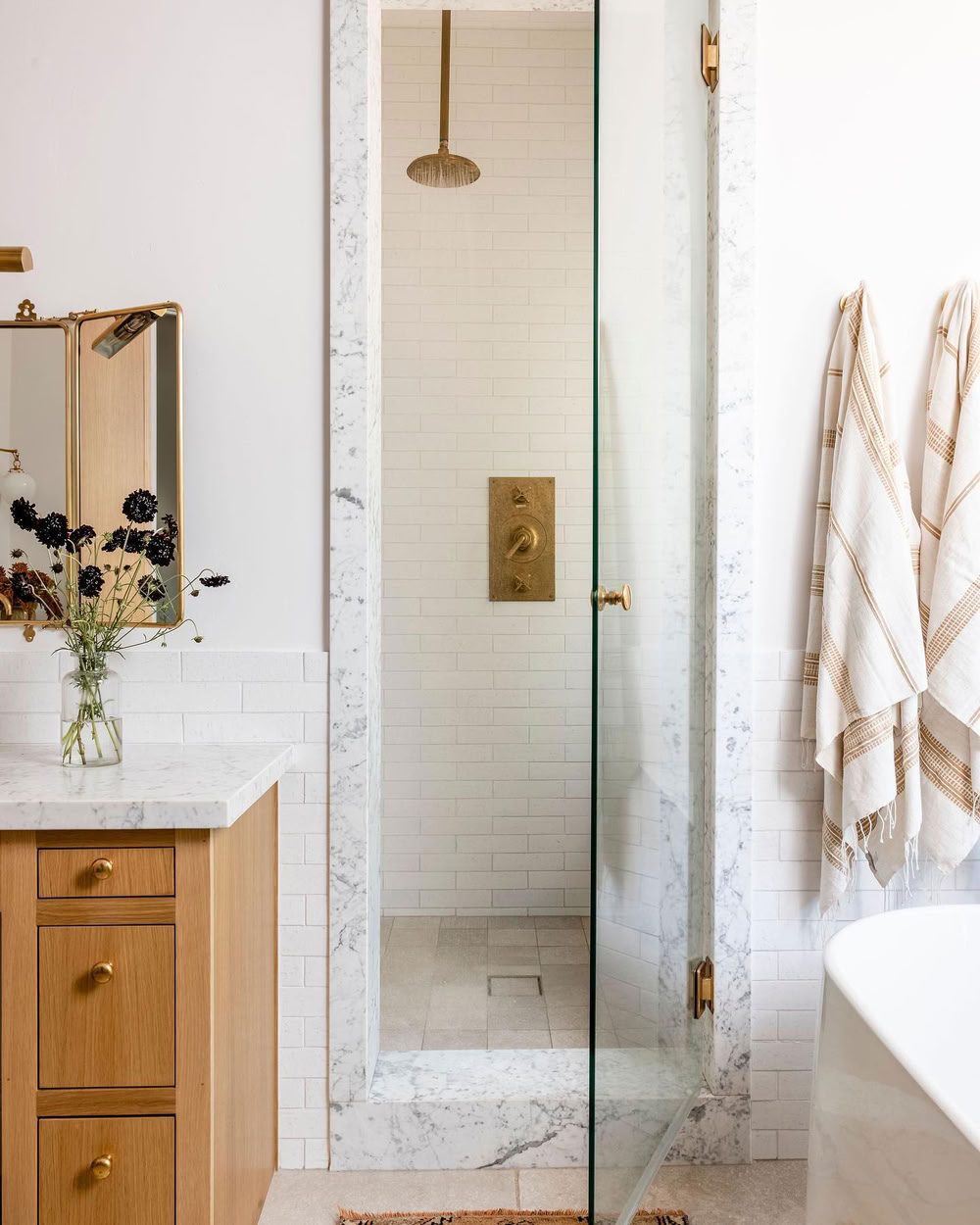
Why Turkish Towels Are Popular in Interior Design Today
Turkish towels (especially the flat-woven peshtemal style) have moved far beyond the hammam into homes, spas, hotels, beaches, and design settings for these main reasons:
- Versatility and multi-functionality — They work as bath/beach towels, spa wraps, throws, picnic blankets, table runners, wall hangings, or even scarves/sarongs. Their flat weave packs small and folds easily, suiting smaller living spaces and travel.
- Aesthetic appeal — Classic stripes, geometric patterns, fringes/tassels, and a range of colors (from traditional to modern neutrals or bold designs) add texture, softness, and a touch of heritage or “quiet luxury.” They layer well in coastal, boho, Scandinavian, minimalist, or Mediterranean-inspired interiors without overpowering a space.
- Practical performance — Made from high-quality long-staple Turkish cotton, they absorb well despite being thinner and lighter than bulky terry towels, dry faster (reducing mildew risk and laundry energy), become softer over time, and are durable.
- Sustainability and lifestyle fit — They use less material, require less water/energy to wash and dry, and often come from natural fibers and artisanal or traditional production methods. This aligns with demand for eco-conscious, ethical, multi-use home goods over single-purpose bulk items.
- Cultural and design cachet — They evoke hammam ritual, Ottoman craftsmanship, and global textile heritage. Designers and brands highlight them in hotels, spas, and lifestyle media; broader interest in Turkish/Middle Eastern-inspired décor (rugs, textiles, ceramics) has amplified their visibility.
In short, their combination of historical authenticity, practical advantages, visual lightness, and adaptability makes them a favorite for modern interiors that value both form and function. Authentic pieces are still woven in Turkey, particularly in the Aegean and Denizli regions, preserving the craft while meeting contemporary tastes.
