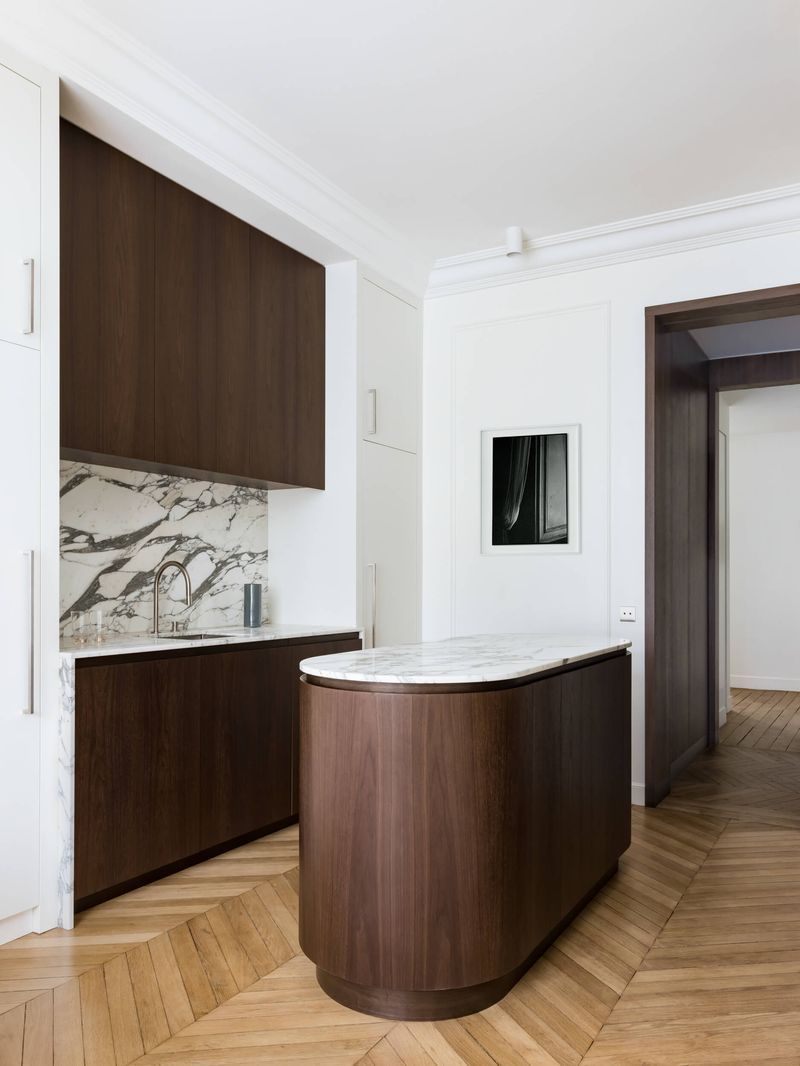
As the heart of the home, the kitchen is where we gather, cook, and create memories with loved ones. And at its center, the kitchen island is often the hub of activity, serving as a food preparation station, a social gathering spot, and a statement piece in its own right. But what often gets overlooked in the quest for kitchen perfection is the lighting – specifically, the lighting that surrounds this central hub.
Enter the kitchen island lighting, a crucial element in creating a warm, inviting, and functional space that’s equal parts beautiful and practical. In this article, we’ll share the world of kitchen island lighting, exploring the latest trends, styles, and design considerations to help you illuminate your kitchen island and take your cooking, entertaining, and overall kitchen experience to the next level.
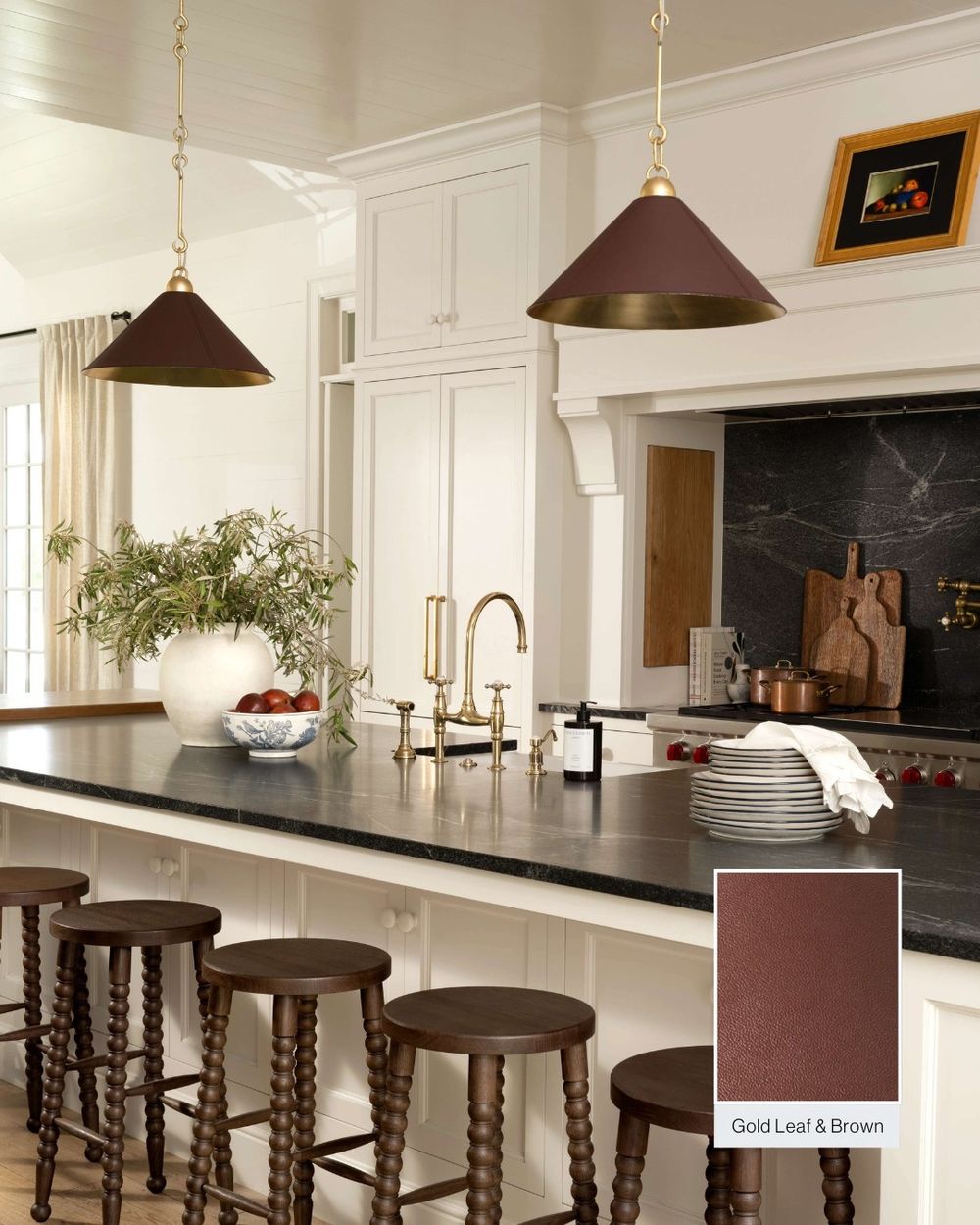
Types of Kitchen Island Lighting
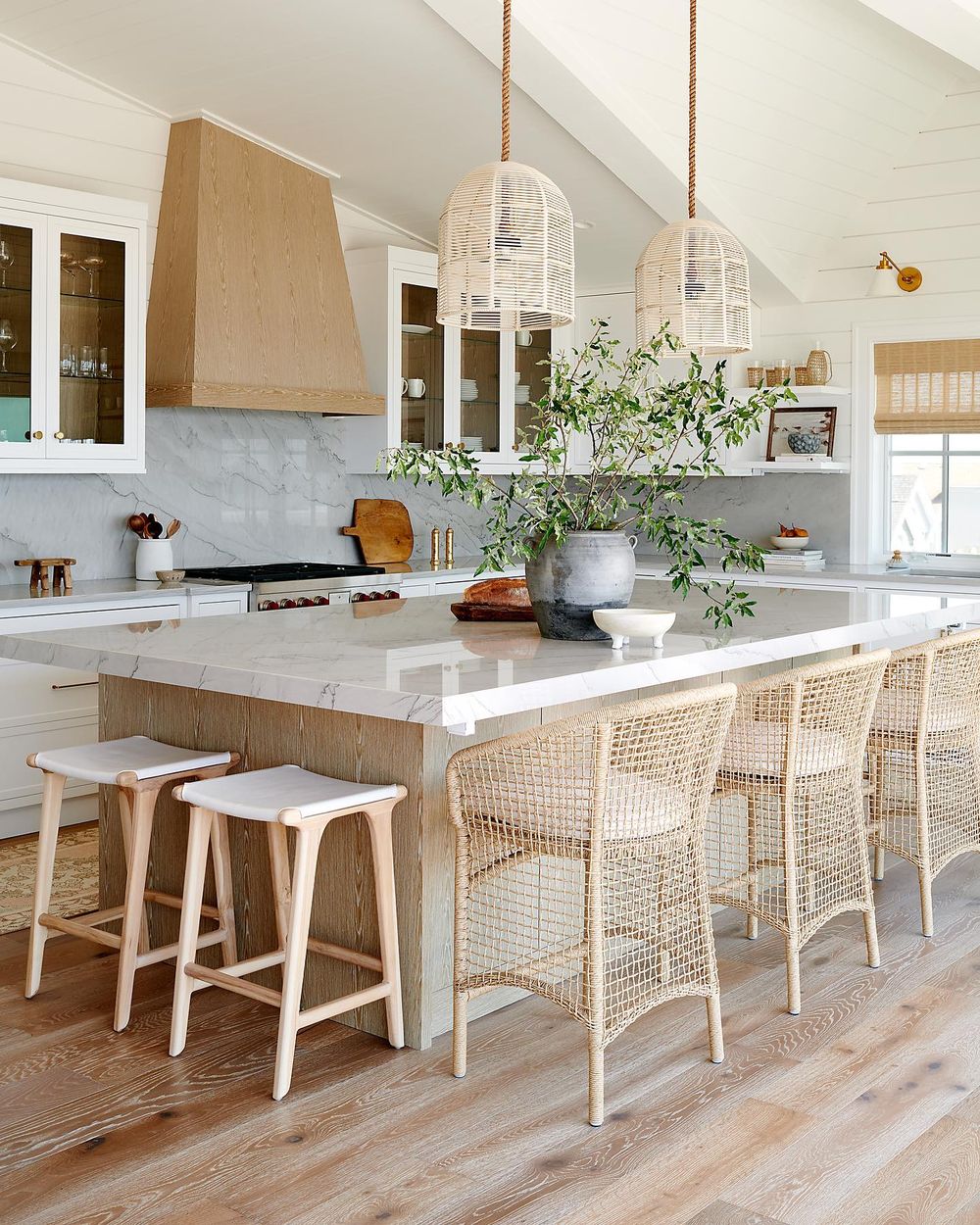
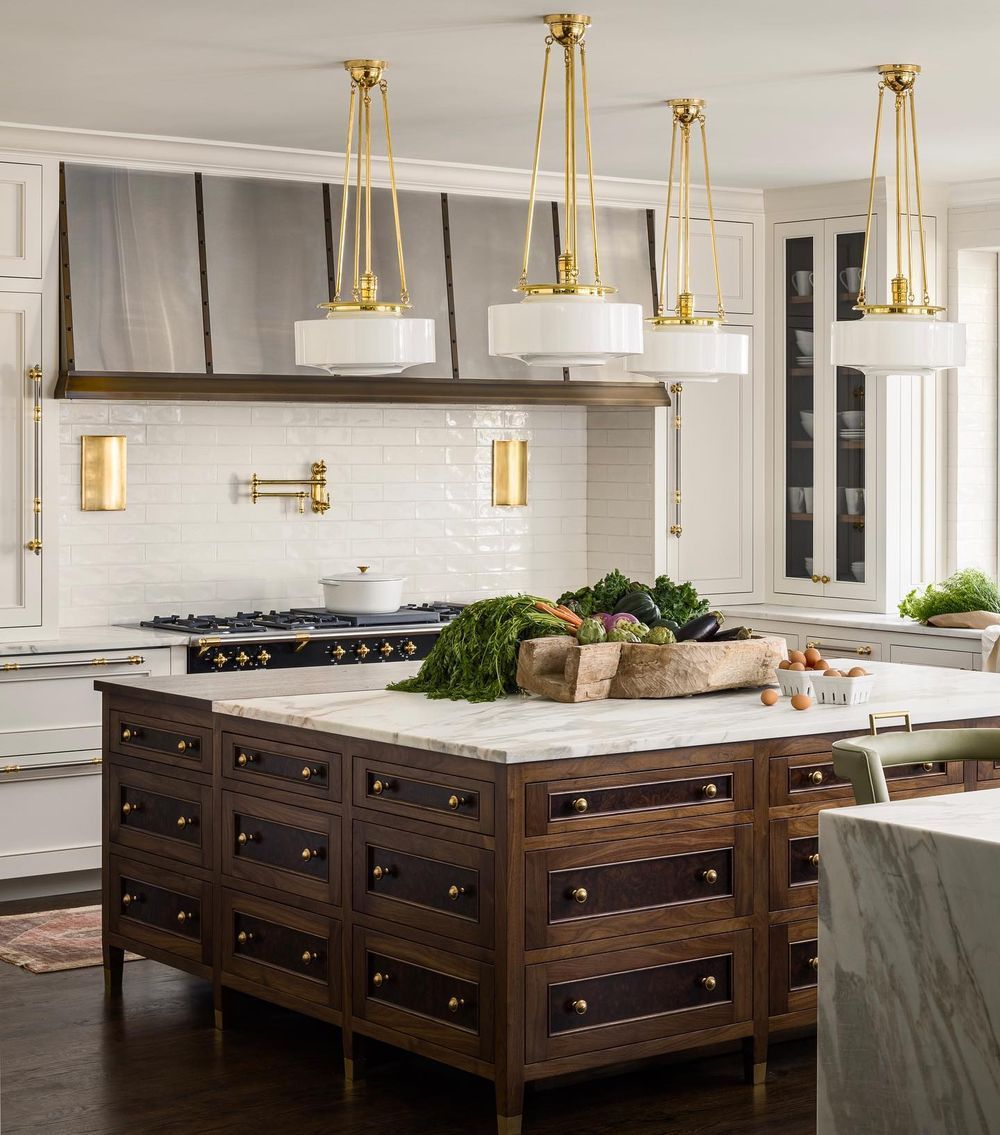
When it comes to illuminating a kitchen island, the choice of lighting can significantly influence both the functionality and aesthetic appeal of the space. One common option is pendant lighting, which can be hung directly above the island to provide focused light while also serving as a statement piece in the kitchen. These fixtures come in various styles, from sleek and modern to rustic and vintage, allowing homeowners to select designs that resonate with their overall decor theme. Another effective lighting type is recessed lighting, which is installed in the ceiling and offers a clean look while providing ample illumination without obstructing sightlines.
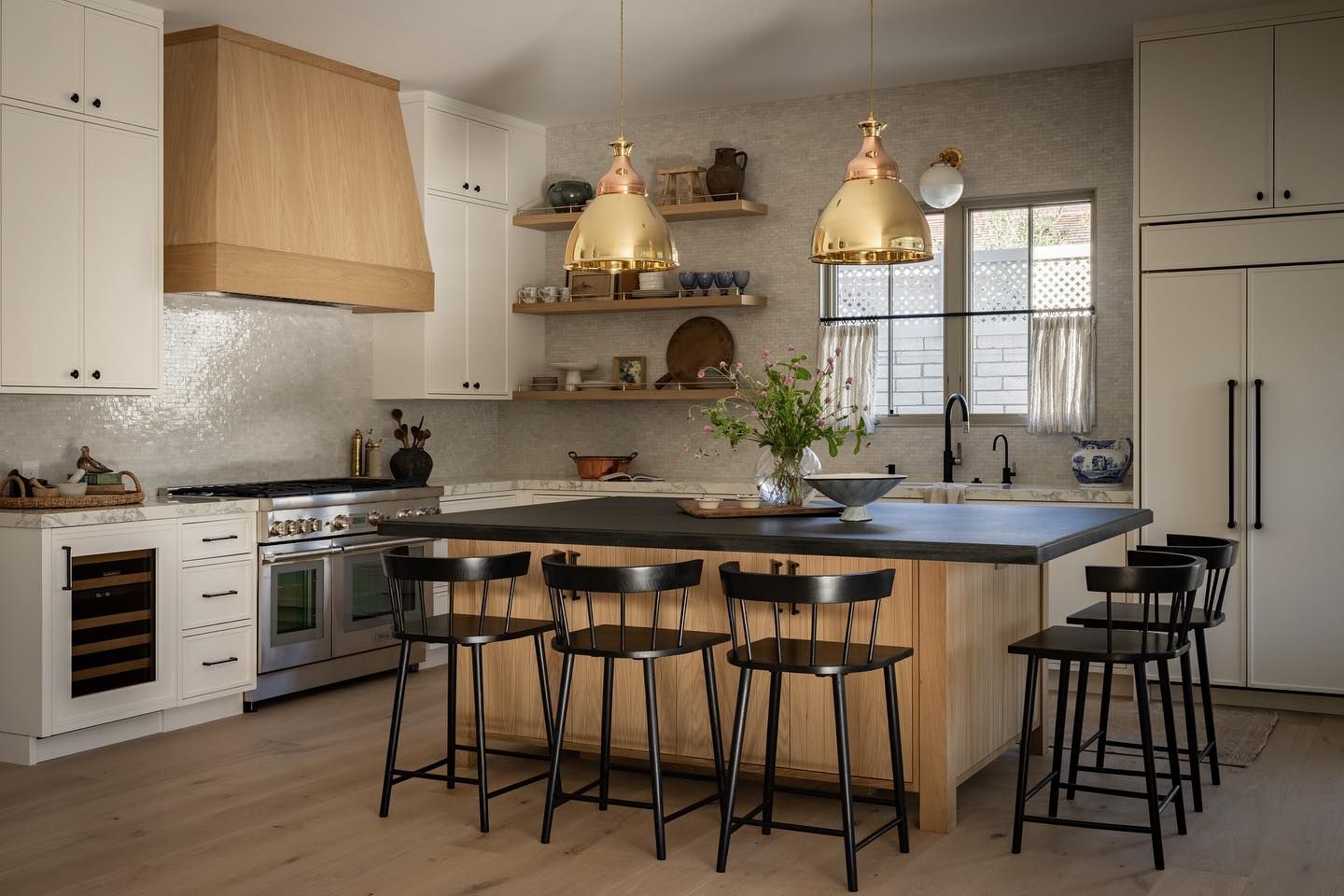
Furthermore, under-cabinet lighting can be incorporated along the edges of overhead cabinetry if the kitchen island is paired with a countertop, creating a soft, ambient glow that enhances the workspace without being overly harsh.
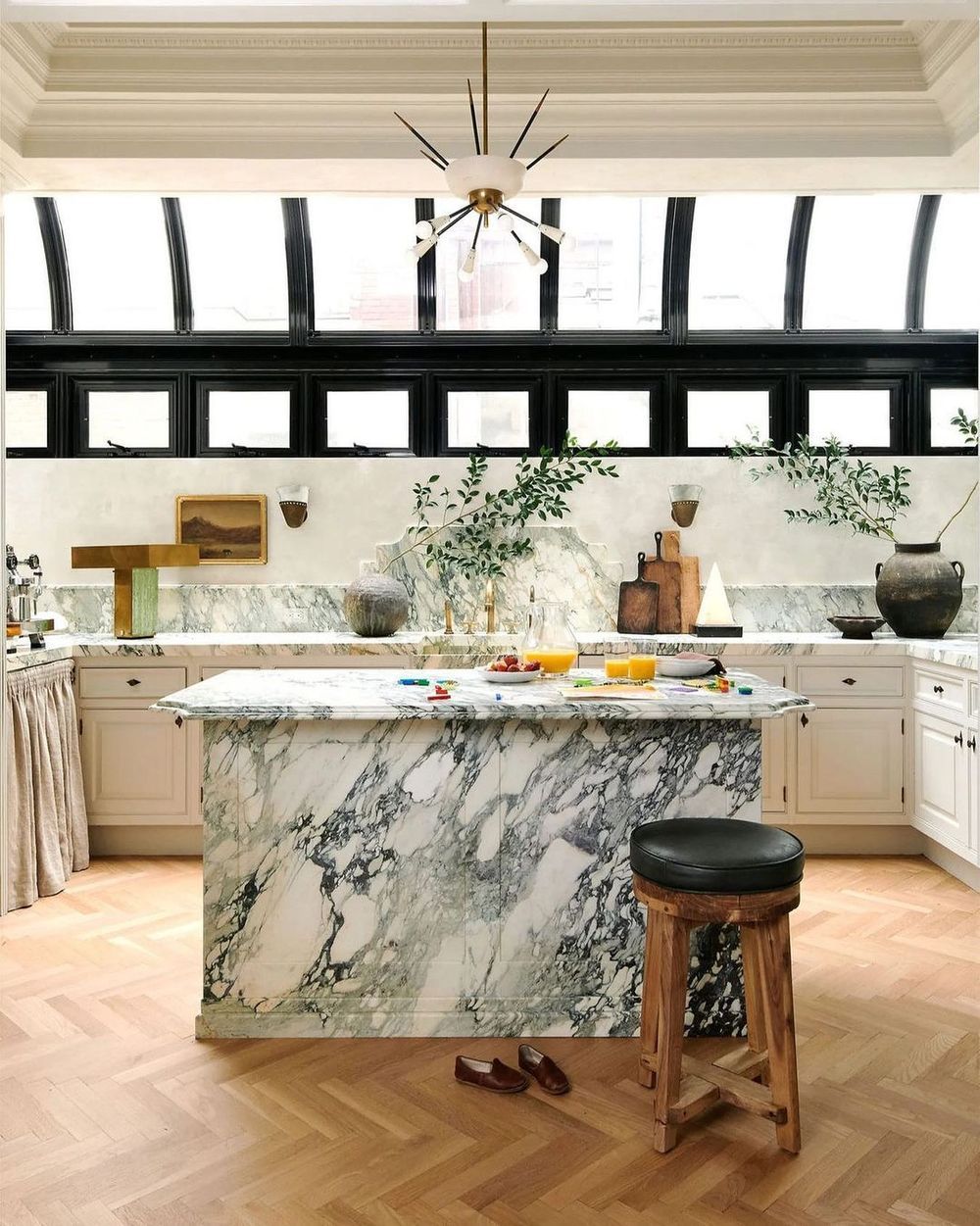
For a bolder statement, a chandelier can be used, particularly in larger kitchens, to bring an element of sophistication and grandeur. Adjustable track lighting allows for adaptable lighting arrangements, letting homeowners focus light where it is needed most, whether for meal prep or ambiance during gatherings.
Combining these various types of kitchen island lighting not only enhances the functionality of the space but also allows for personal expression, making the kitchen both a culinary hub and a stylish centerpiece in the home.
Choosing the Right Size and Scale
When selecting lighting for your kitchen island, one of the most critical factors to consider is the size and scale of the fixtures in relation to the overall kitchen space. A kitchen island typically serves as a focal point, and the lighting you choose should enhance this aspect without overwhelming the area. For larger islands, consider using oversized pendants or a cluster of smaller fixtures that can command attention while providing adequate illumination.

Conversely, for smaller islands, delicate fixtures or minimalist designs can maintain the balance and ensure the space doesn’t feel cramped. It’s essential to maintain an appropriate height for the fixtures as well; hanging lights should be positioned about 30 to 36 inches above the countertop to ensure functionality while allowing for clear sightlines and easy movement around the space.
Additionally, consider the overall style and proportions of the kitchen; traditional islands may benefit from classic chandeliers, while modern spaces may call for sleek, contemporary designs.
Layering Light: Combining Different Sources
Layering light in kitchen island lighting is essential for creating a functional and inviting space. By combining various sources of light, you can enhance the aesthetic appeal while ensuring adequate illumination for different activities. Start with ambient lighting as the foundation; this can come from ceiling fixtures or recessed lighting, providing a warm glow that fills the room. Next, introduce task lighting to focus on the kitchen island itself. Pendant lights, for example, not only serve as a practical source of light for meal prep and cooking but also add an element of style and personality to the space.
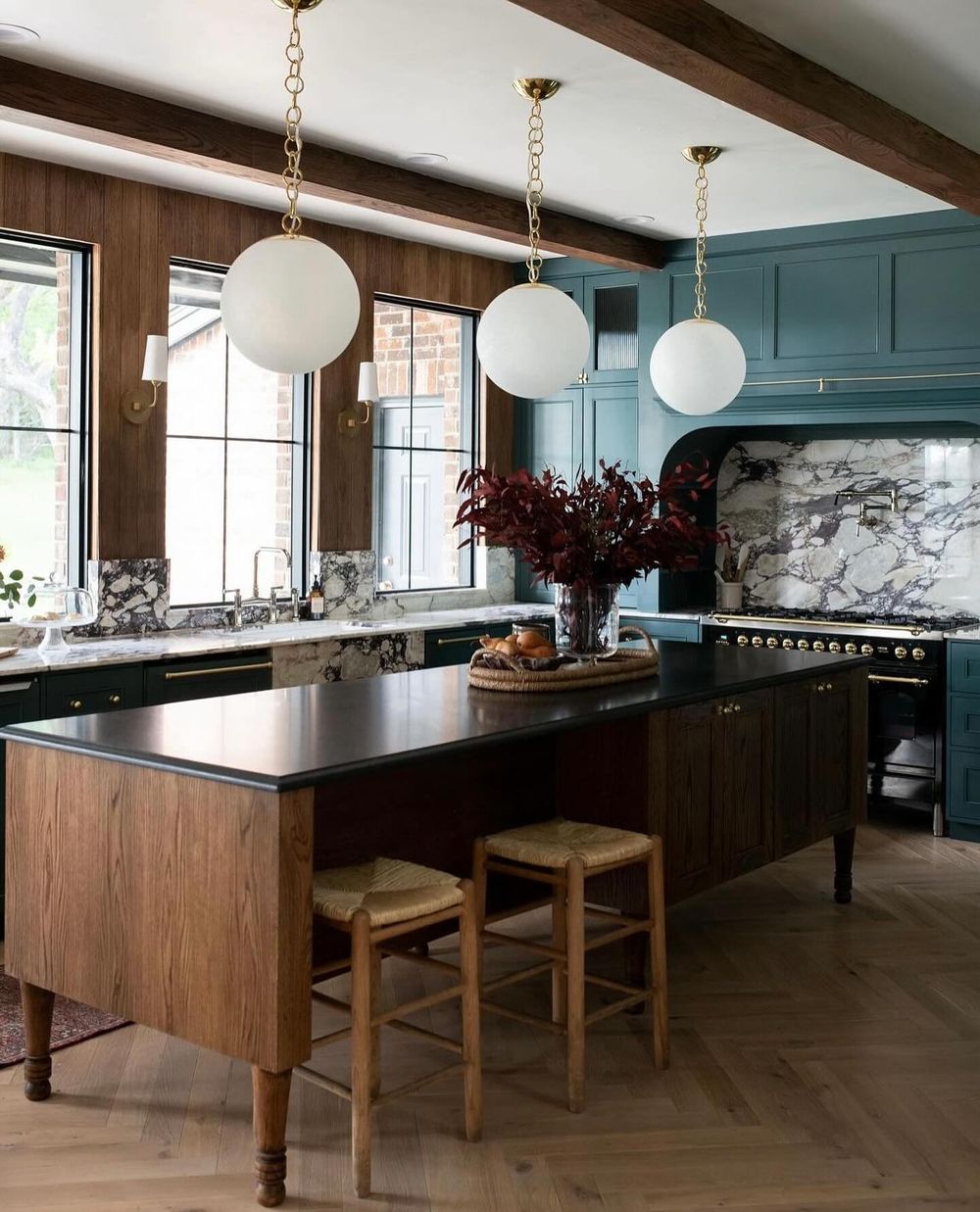
Finally, consider accent lighting to highlight decorative elements or architectural features around the island. LED strips under the countertop or within shelves can add a subtle glow that emphasizes textures and colors. By thoughtfully layering these lighting sources, you create a balanced environment that enhances both functionality and atmosphere, making the kitchen island a central hub for both culinary activities and social gatherings.
Selecting Styles to Match Your Kitchen Decor
Selecting the right lighting styles to match your kitchen decor is an essential aspect of creating a cohesive and inviting space. When choosing fixtures for your kitchen island, it’s important to consider the overall aesthetic of your kitchen. For a modern and sleek design, consider pendant lights with clean lines and minimalist designs, such as metal finishes or geometric shapes. These fixtures can serve as statement pieces while maintaining a sense of unity with contemporary furnishings.

On the other hand, if your kitchen features a rustic or farmhouse style, opt for lighting that incorporates natural materials like wood or wrought iron, which can enhance the warmth and charm of the space. Vintage or industrial-style fixtures can also add character and nostalgia, seamlessly blending with eclectic decor elements. Additionally, consider the color palette of your kitchen—selecting lighting in complementary or contrasting hues can enhance the visual interest without overwhelming the existing decor.
Energy Efficiency and Lighting Technology
Energy efficiency has become an essential consideration in modern interior design, particularly in areas like kitchen lighting where functionality and ambiance are key. As homeowners increasingly seek to reduce their energy consumption and minimize their carbon footprint, the integration of energy-efficient lighting technology into kitchen designs is more relevant than ever. LED (Light Emitting Diode) lighting has emerged as a popular choice for illuminating kitchen islands, thanks to its remarkable efficiency and longevity compared to traditional incandescent and fluorescent bulbs. LED fixtures consume significantly less energy, converting approximately 80% of their energy into light rather than heat, which not only lowers electricity bills but also enhances overall kitchen safety by reducing heat output.
Furthermore, advancements in smart lighting systems allow homeowners to achieve optimal energy efficiency through automation. These systems can be programmed to adjust brightness levels based on natural light availability, occupancy, or specific tasks, ensuring that lighting is used only when needed. Dimming options also create a versatile environment, allowing users to set the perfect mood while conserving energy.
In addition, the aesthetic appeal of modern LED fixtures, from sleek pendant lights to under-cabinet strip lighting, offers both style and substance, seamlessly blending with contemporary kitchen designs. By embracing these energy-efficient lighting technologies, homeowners can create a well-lit kitchen island that strikes the perfect balance between practicality and sophistication, all while making a positive impact on the environment.
Placement and Height Considerations
When it comes to kitchen island lighting, placement and height considerations are essential in achieving both functionality and aesthetic appeal. The lighting fixtures should be strategically positioned to provide uniform illumination across the counter space, ensuring that food prep and meal presentation are well lit. For optimal placement, it’s typically recommended to hang pendant lights or chandeliers approximately 30 to 36 inches above the surface of the island. This height allows for ample light coverage without obstructing sightlines or creating visual clutter.
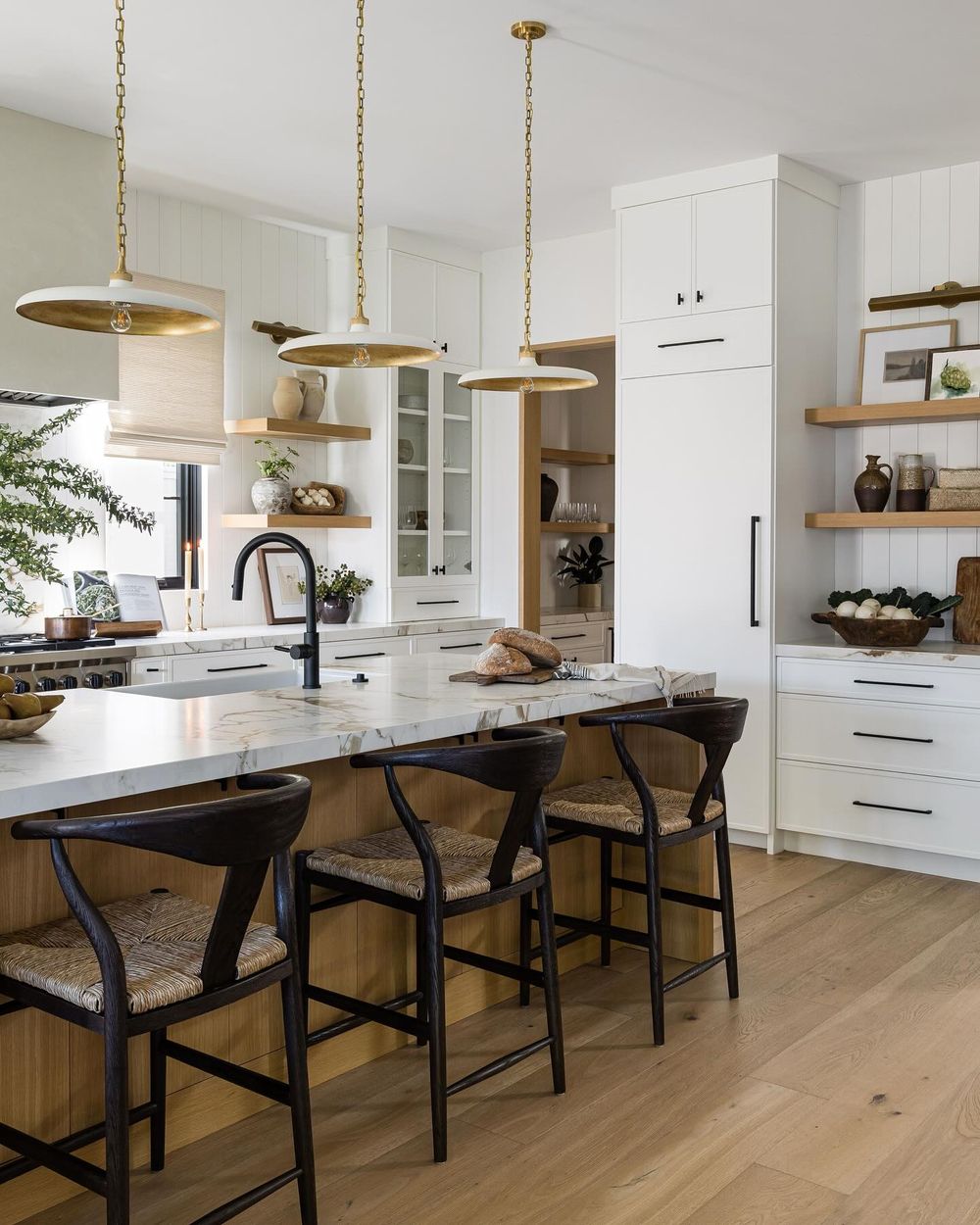
Furthermore, arranging multiple fixtures in a linear fashion over larger islands helps distribute light evenly, reducing shadows that can make tasks more difficult. Additionally, consider the scale of the fixtures in relation to the island’s dimensions; oversized lights can become overpowering in smaller spaces, while petite lights may get lost in a larger area.
Maintenance and Bulb Options
When it comes to kitchen island lighting, maintenance and bulb options play a crucial role in both functionality and aesthetic appeal. Choosing the right bulbs can significantly impact the overall ambiance and efficiency of your kitchen space. LED bulbs are increasingly popular due to their energy efficiency, longevity, and minimal heat output, making them ideal for a space that often sees heavy usage. They come in various color temperatures, allowing you to select between warm, inviting tones or cooler, more utilitarian lighting, depending on your design vision.
Maintaining your kitchen island lighting is equally important; regular cleaning of fixtures to remove dust and grease will ensure maximum brightness and clarity. If your island lights are hanging pendants or fixtures, consider the accessibility of bulbs for replacements and cleaning. Choosing fixtures with easily replaceable bulbs helps minimize hassle over time.
Additionally, exploring smart bulbs or dimmable options can further enhance your kitchen’s adaptability, allowing you to adjust the lighting for cooking, entertaining, or casual dining.
Overall, a thoughtful approach to maintenance and selected bulb types will not only improve the functionality of your kitchen island lighting but also enhance its design and atmosphere.