
As the rich jewel tones of autumn begin to unfurl, the humble plum takes center stage in the world of interior design. This luscious hue, often relegated to the realm of fruit salad and jam, is suddenly transformed into a sophisticated and alluring color scheme that whispers warmth and coziness into even the most modern of spaces.
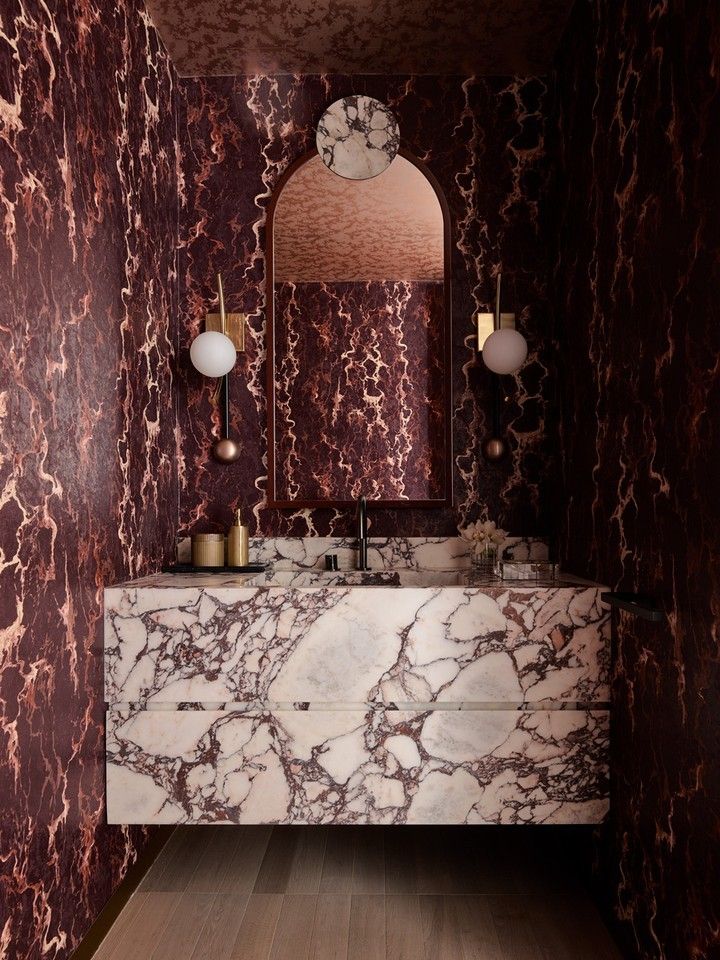
From plush velvet sofas to statement walls, plum is the unexpected darling of the design world, adding depth, luxury, and a hint of whimsy to any room it touches.
Understanding the Color Plum in Interior Design
Understanding the color plum in interior design is essential for harnessing its unique qualities to enhance a space. Plum, a rich blend of purple and red, embodies sophistication and depth, making it an excellent choice for creating a warm and inviting atmosphere. Its versatility allows it to pair beautifully with various color palettes, from soft neutrals to vibrant hues, enabling designers to leverage its boldness without overwhelming a room.
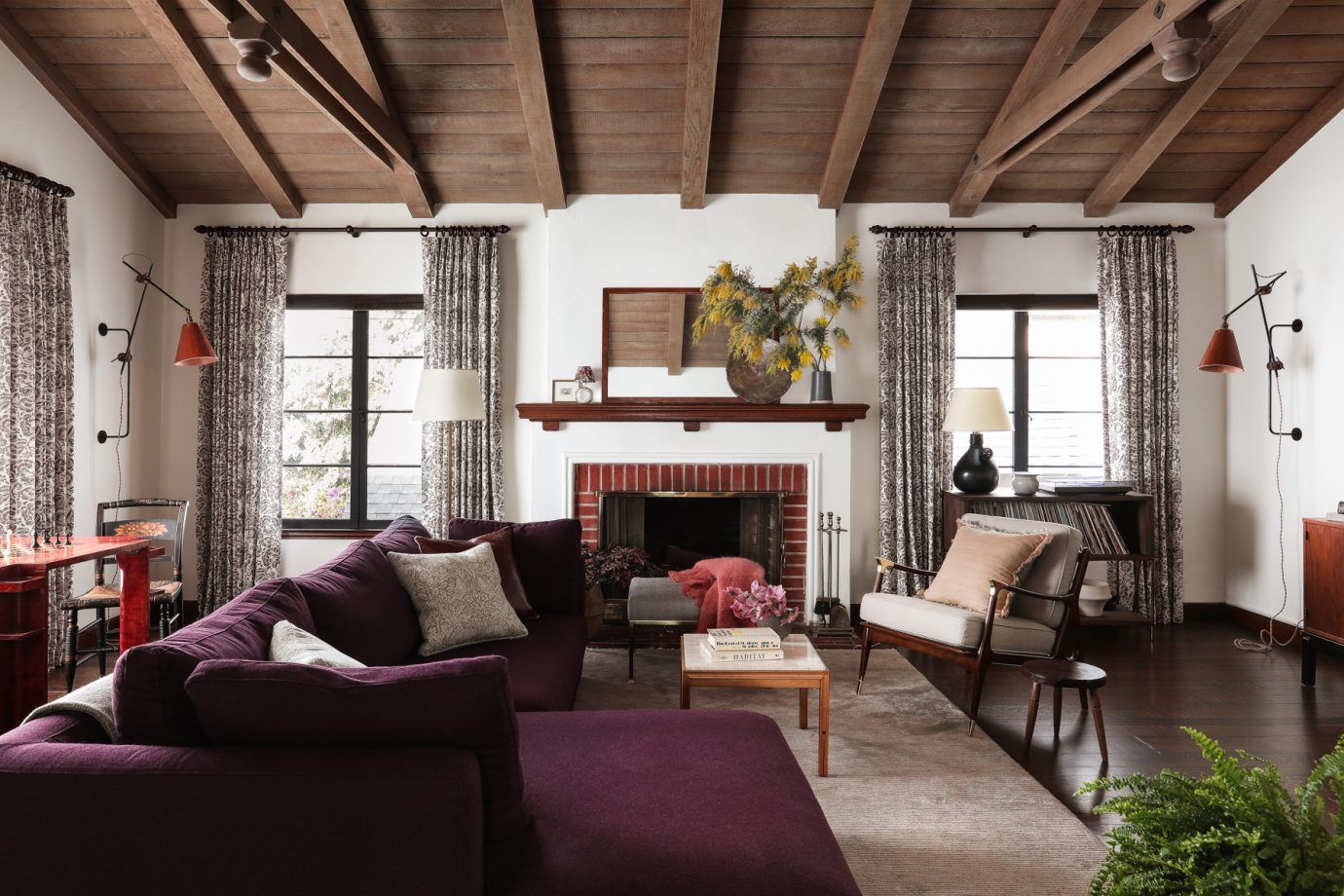
When used as a dominant color, plum can draw attention and instill a sense of luxury, often evoking feelings of creativity and comfort. In smaller doses, such as through accent pieces or textiles, it can add drama and elegance without overpowering other elements.
The psychological impact of plum also plays a significant role in design, as it is often associated with ambition, wealth, and wisdom, making it an appealing choice for spaces meant to inspire and cultivate productivity.
Whether utilized in living rooms, bedrooms, or more formal dining areas, understanding the multifaceted nature of plum allows for thoughtful application that resonates with individual style while enhancing overall design coherence.
Choosing the Right Shades of Plum
Choosing the right shades of plum is essential when incorporating this rich hue into your interior design scheme. Plum is a versatile color that can evoke a sense of luxury and sophistication when used correctly, but its varied shades can convey different moods and energies.
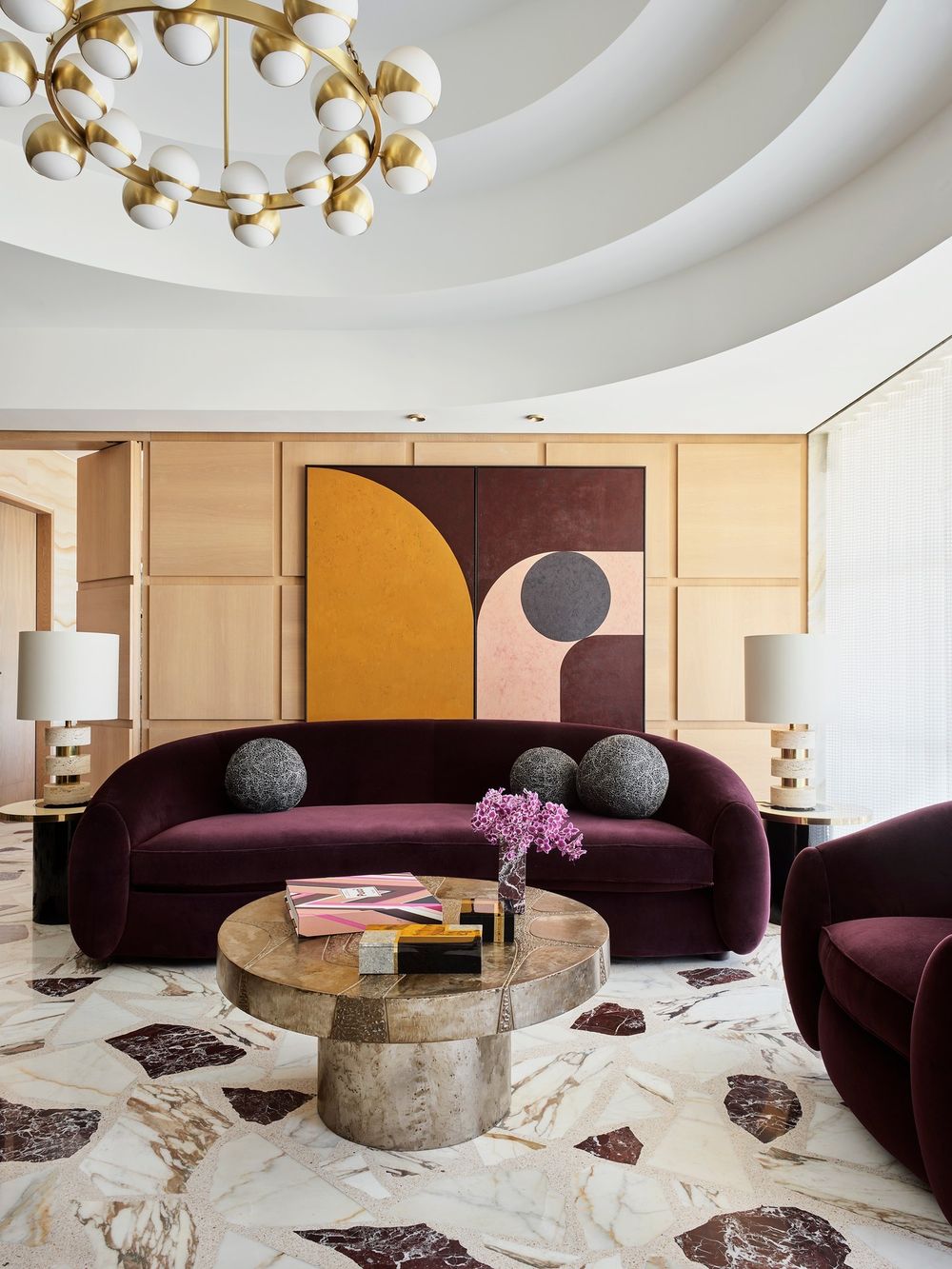
Lighter variations of plum, infused with hints of lavender or mauve, can create a serene and calming atmosphere, making them ideal for bedrooms or peaceful reading nooks. Conversely, deeper shades, reminiscent of ripe berries, bring warmth and drama to a space, making them perfect for accent walls, cozy living rooms, or sophisticated dining areas.
To ensure a cohesive look, it’s vital to consider the undertones in your chosen plum shade; for instance, a plum with more red undertones pairs beautifully with warm neutrals and metallics, while a cooler, blue-based plum can harmonize well with silver accents and cool grays.
Additionally, the finish of the paint or fabric can influence perception; a matte finish can soften the intensity of the color, while a glossy finish can amplify its vibrancy and reflectiveness.
Incorporating Plum through Accent Pieces
Incorporating plum into your interior design through accent pieces is an effective way to introduce this luxurious hue into your space without overwhelming the overall aesthetic. Accent pieces such as cushions, throws, and artwork can serve as vibrant focal points while allowing you to play with various shades of plum without committing to a full room makeover. For instance, a plush plum velvet throw draped over a neutral-colored sofa can create an inviting and cozy atmosphere while adding sophistication.
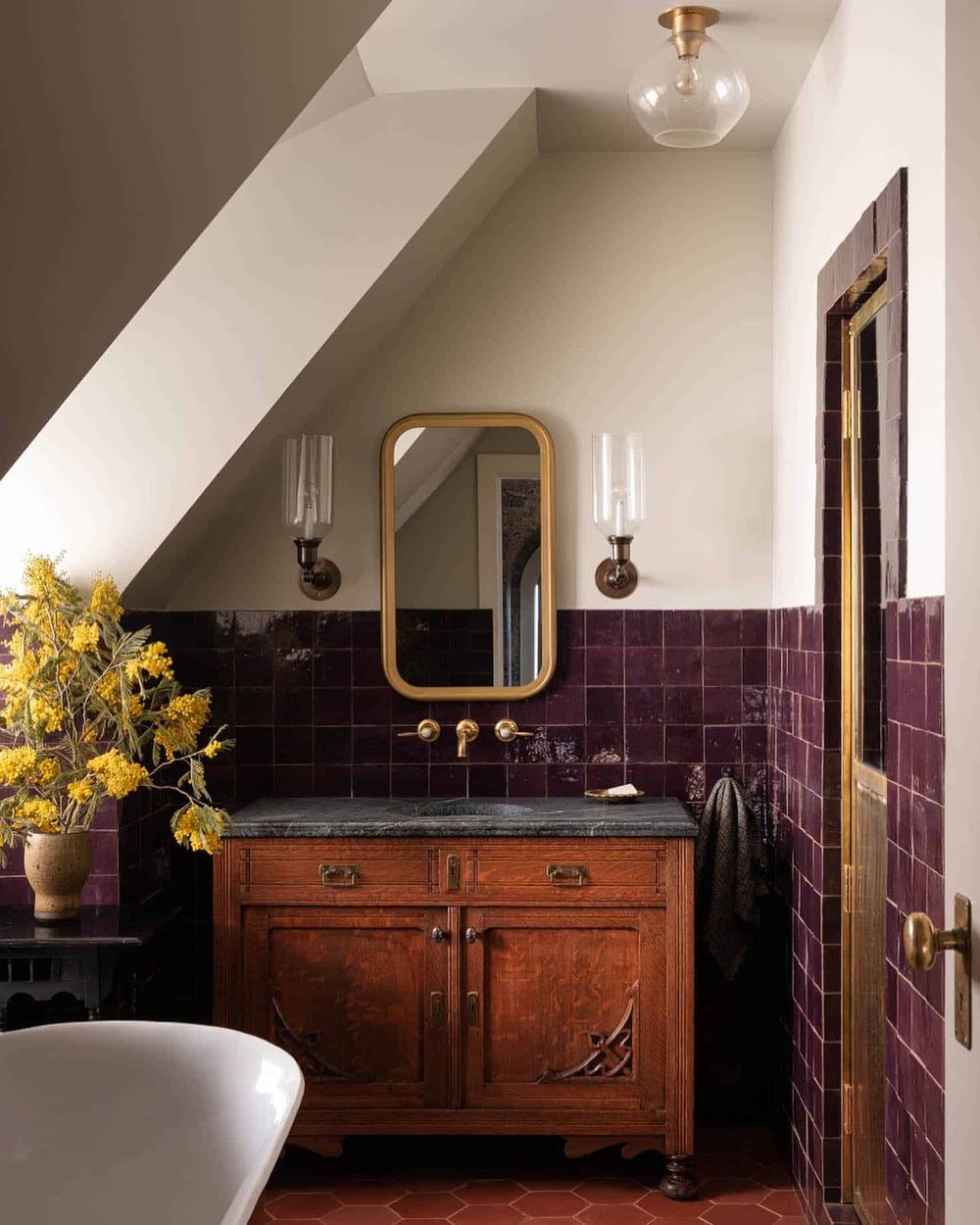
Similarly, plum-hued cushions can be mixed and matched with other complementary colors, such as soft greys, warm golds, or earthy greens, to create a balanced yet dynamic look. Wall art featuring plum tones can also be an excellent way to incorporate this color, as it adds depth and interest to your walls without the need for paint or wallpaper.
Consider selecting abstract prints or textured pieces that include plum alongside other colors found in your furnishings, creating a cohesive design flow throughout the space. Furthermore, decorative items like vases, ceramic dishes, or candles in various shades of plum can enhance your interior’s visual layers.
Strategically placed on shelves, coffee tables, or mantels, these pieces not only serve a purpose but also provide an opportunity for playful experimentation with shape and texture.
Plum in Textiles: Upholstery and Curtains
Plum is a rich and versatile color that can add depth and sophistication to any interior space, particularly when it comes to upholstery and curtains. This regal hue, sitting between purple and burgundy on the color wheel, has a unique ability to create a warm and inviting atmosphere, whether in a modern apartment or a traditional home. When used in upholstery, plum can make a striking statement on sofas, armchairs, or accent pillows. A plush plum velvet sofa, for instance, can serve as a focal point in a living room, pairing beautifully with neutral tones such as gray or beige while providing a pop of color that energizes the space.
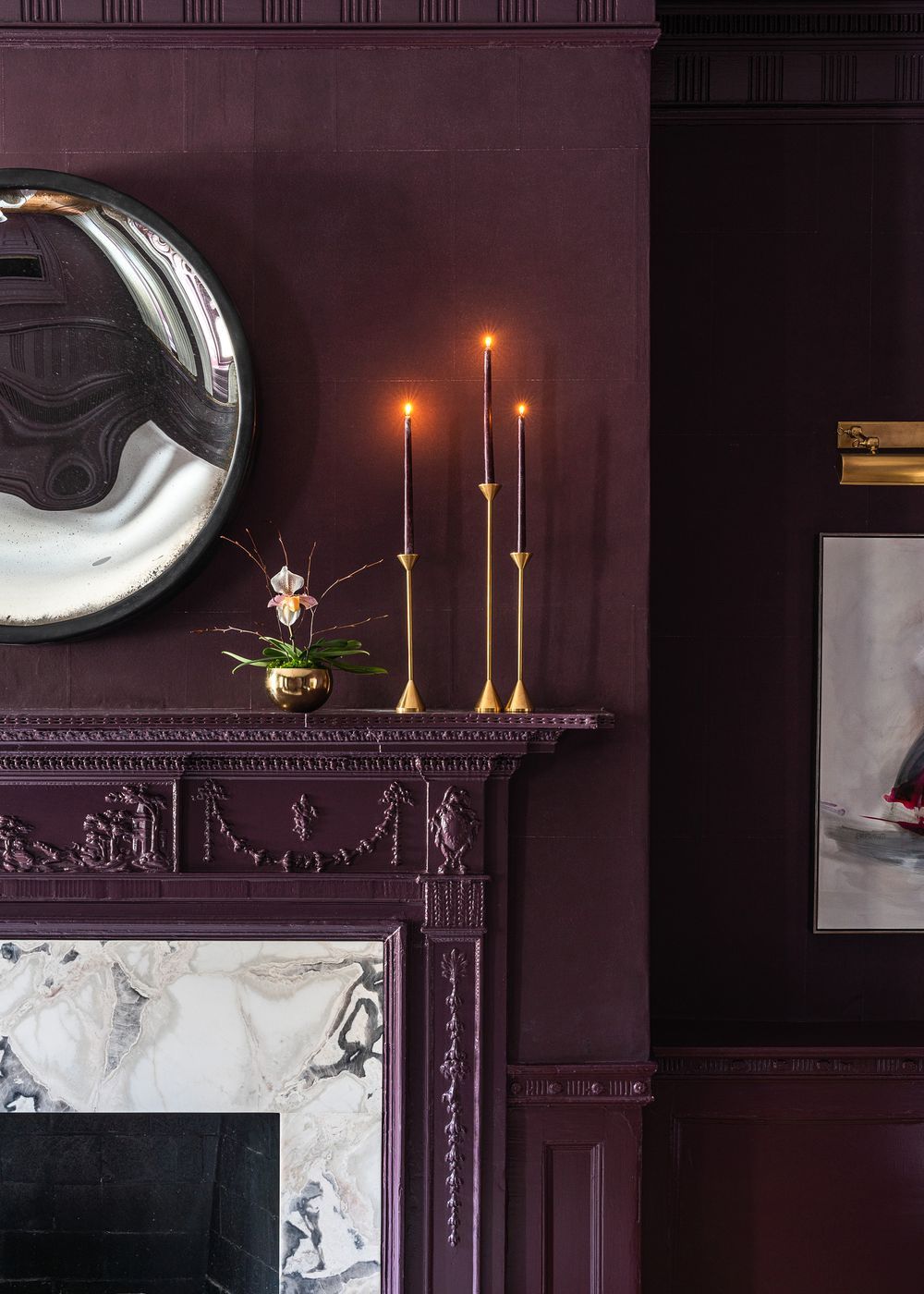
For a more subtle approach, consider layering plum textiles in smaller furnishings or decorative accents; even a few plum-hued cushions can elevate the overall aesthetic of a room. In the realm of curtains, plum offers an excellent choice for both function and style. Heavy drapes in a deep plum shade can frame windows beautifully, imparting an air of elegance while also blocking out light and providing privacy.
When opting for lighter fabrics like sheer curtains in a plum tone, they can diffuse sunlight and cast a warm glow throughout the room, enhancing the overall ambiance. Additionally, plum curtains can be paired with patterned or textured fabrics to create visual interest and depth.
Consider combining them with geometric designs or floral prints that incorporate plum shades, fostering a harmonious blend of colors and patterns. Whether through sumptuous upholstery or elegant curtains, integrating plum into your interior design can result in a lush, cohesive environment that speaks to both comfort and style.
Complementary Colors to Plum in Decor
Complementary colors can play a vital role in enhancing the beauty of plum in interior decor, creating a balanced and visually appealing space. Plum, a deep shade that blends purple with hints of red, pairs exceptionally well with colors that are opposite it on the color wheel. The most striking complementary color to plum is a vibrant yellow-green, such as chartreuse or lime. This lively hue offers a refreshing contrast to the richness of plum, drawing attention and energizing the room.
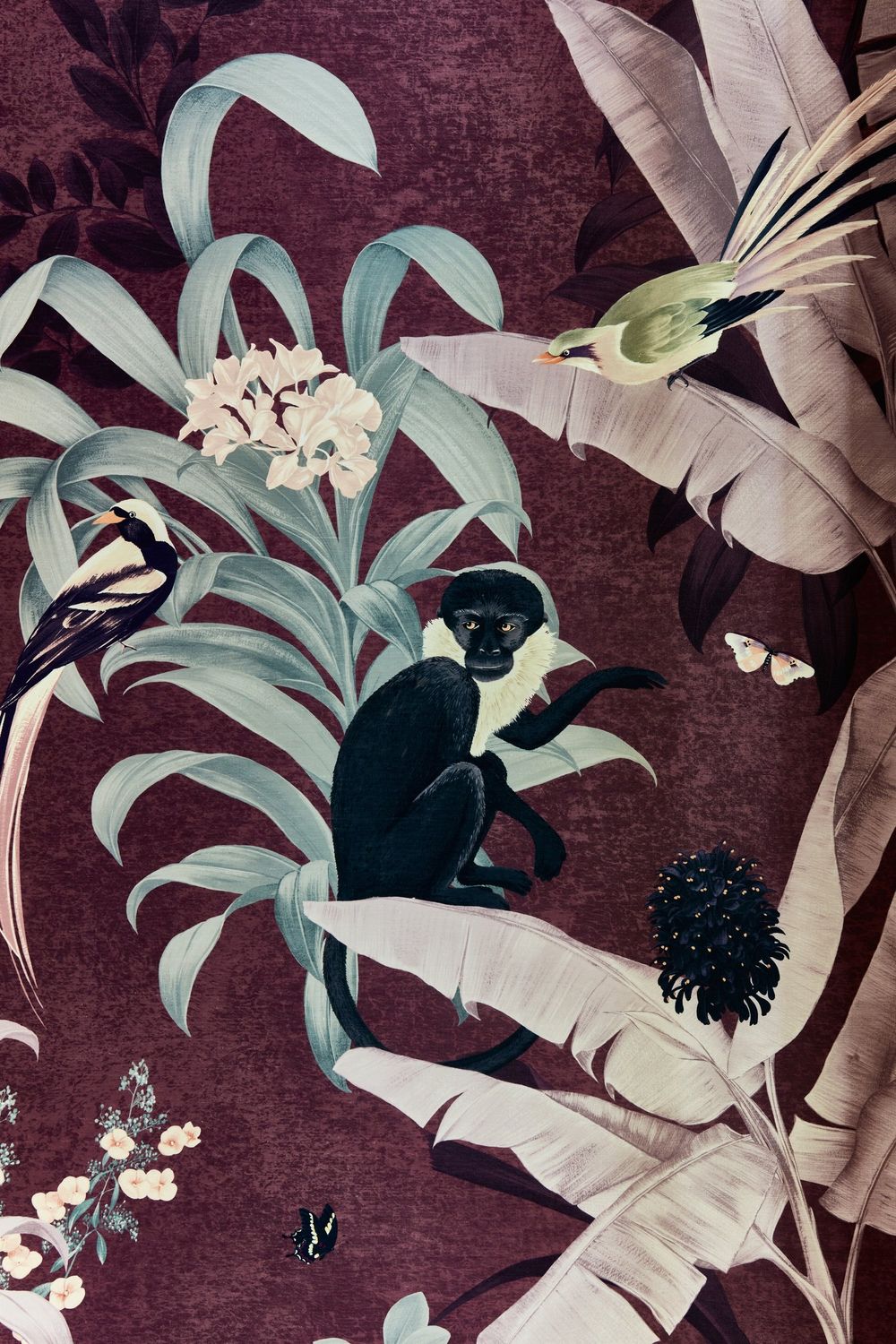
When used in accents such as throw pillows, artwork, or decorative vases, yellow-green can create a dynamic interplay that highlights the depth of plum while preventing the space from feeling too dark or heavy. Additionally, soft neutrals like cream, light gray, or sandy beige can harmonize beautifully with plum, offering a soothing backdrop that allows the plum to stand out as a focal point.
Incorporating these complementary colors through various elements—like wall paint, fabric choices, or furniture pieces—can result in a cohesive and stylish design that feels both inviting and sophisticated.
Ultimately, balancing plum with the right complementary shades allows for a more layered and dynamic interior, making it an ideal choice for creating a comfortable yet visually captivating environment.
Using Plum in Different Room Styles
Using plum in different room styles can add elegance and depth to any space. In a modern minimalist setting, plum can serve as a striking accent color, bringing warmth to a neutral palette dominated by whites and greys. A plush plum rug or smooth plum throw pillows can create a focal point without overwhelming the simplicity of the design. In contrast, in a traditional or classic room, rich plum walls or sumptuous velvet upholstered furniture can evoke a sense of grandeur and sophistication. This deep hue pairs beautifully with antique gold or brass fixtures, enhancing the room’s timeless appeal.
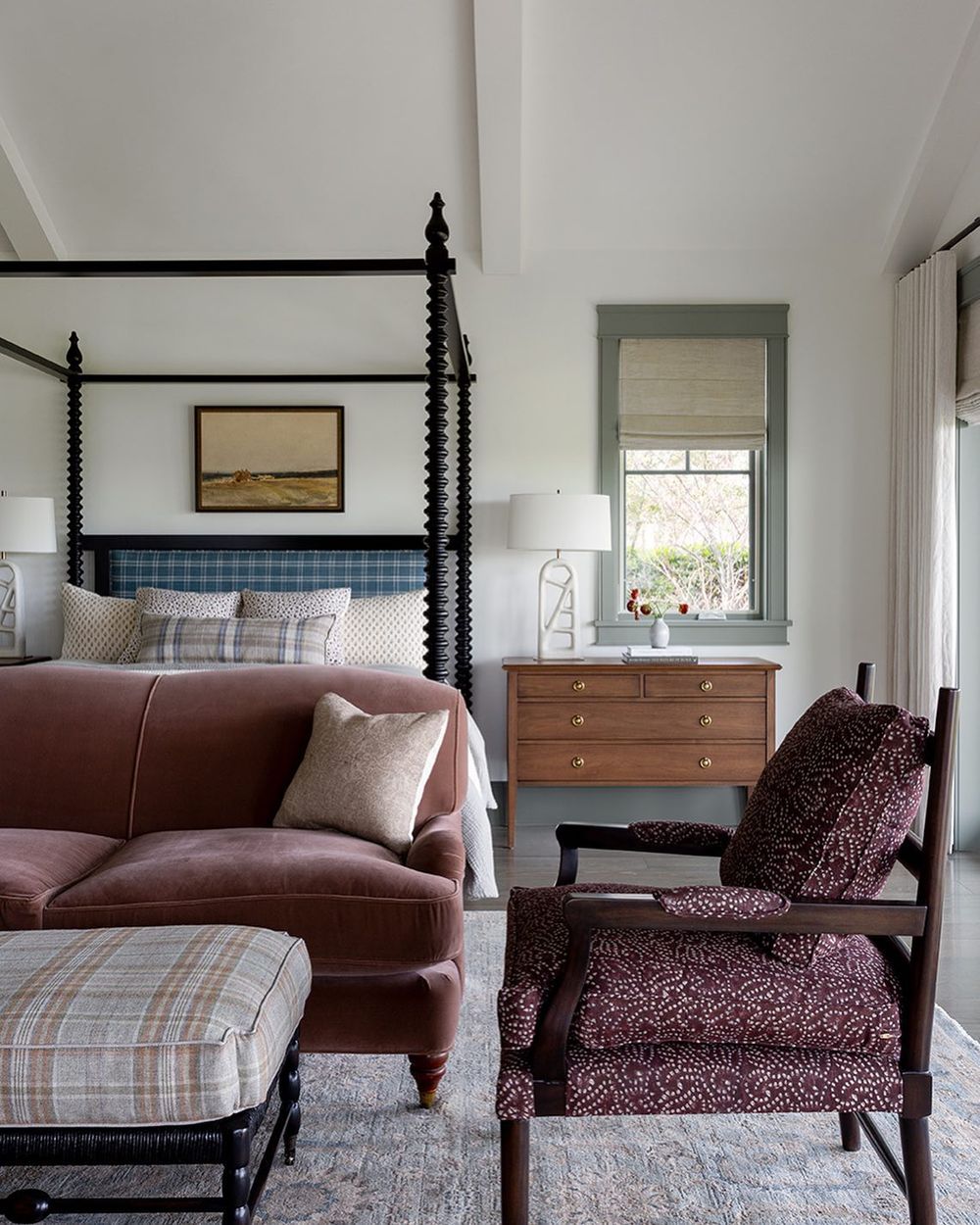
For bohemian-inspired spaces, consider incorporating plum through eclectic textiles, like patterned throws or layered fabrics, to create a cozy, inviting atmosphere that feels curated and personal. Additionally, in contemporary industrial designs, plum accents, such as ceramic vases or abstract art pieces, can introduce a pop of color against raw materials like exposed brick and metal, softening the overall look.
No matter the style, plum acts as a versatile hue that can harmonize with various elements, encouraging creative expression while maintaining a sense of cohesion throughout the home.
Tips for Balancing Plum with Other Colors
When incorporating plum into your interior design, balancing this rich and vibrant hue with other colors is essential for creating a cohesive and visually appealing space. Plum, with its deep purple undertones, can evoke a sense of luxury and sophistication, but without careful consideration of complementary colors, it can overpower a room.
One effective way to balance plum is to pair it with neutrals such as whites, creams, and grays, which can help to anchor the boldness of the plum while allowing it to remain a focal point. For a more dynamic look, consider combining plum with soft pastels like blush pink or mint green; these lighter shades can soften the intensity of the plum and create a harmonious palette.
Additionally, earthy tones such as taupe and olive can ground the plum, providing a natural balance that feels warm and inviting. Metallics like gold or brass can also enhance the elegance of plum, adding glamour and depth when used in accessories or fixtures.
Ultimately, the key is to think about the overall mood you wish to convey, ensuring that the colors you select work together to achieve a balanced and aesthetically pleasing environment.
